Organic Cotton vs Regular Cotton: The Real Cost Difference for Wholesale Buyers
When wholesale buyers compare organic cotton wholesale options with regular cotton programs, the first thing they usually notice is the price gap. Organic cotton blanks usually come with a higher upfront cost.
But in wholesale, the unit price is only one part of the cost.
For brands, merch programs, uniform buyers, and private-label teams, the decision isn’t just cost per unit. It’s about consistency, waste, durability, reorder confidence, and how your product reflects on your brand once it’s in the real world.
In this guide, we break down where the cost difference between organic and conventional cotton actually comes from, and when paying more up front makes long-term business sense.
Why Organic Cotton Costs More Up Front

The higher wholesale price of organic cotton comes down to how it’s grown, verified, and supplied.
Farming And Yield Differences
Organic farming typically delivers lower per-acre yields, especially during transition periods when farms move away from conventional methods. Lower yields mean higher costs per unit of fibre, which flows through the supply chain and shows up in wholesale pricing.
Certification And Traceability Costs
Organic cotton programs involve documentation, audits, and chain-of-custody tracking. These steps add administrative and operational costs that conventional programs often don’t carry. For wholesale buyers, this translates into higher but more transparent input costs.
Supply Chain And Availability
Organic cotton supply is more sensitive to region, seasonality, and demand spikes. Limited availability can impact pricing and lead times, particularly for buyers looking to scale quickly or reorder on tight schedules.
Taken together, these factors explain why organic cotton carries a higher upfront cost. But wholesale buyers pay for fabric and how it performs over time. That’s where the real cost comparison begins.
What Wholesale Buyers Really Pay For (Beyond The Fabric Line Item)
Focusing only on fabric cost misses the bigger picture. In wholesale, the real expense is the cost per wearable unit, not just the cost per piece produced.
Fabric Hand-Feel, Weight, And Perceived Value
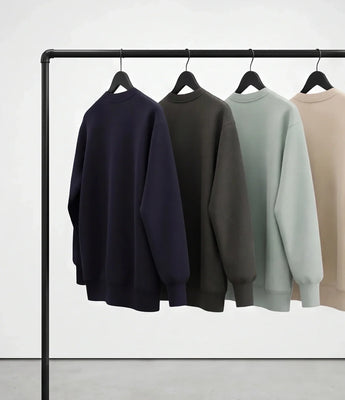
Hand-feel and drape directly affect how the end customer perceives a garment. Premium cotton blanks often feel softer and more substantial, which supports premium positioning and gives buyers confidence to price appropriately without heavy discounting.
Consistency Across Batches
Consistency matters more than many buyers expect. Variations in dye uptake, shrink behaviour, or fabric weight can create headaches across multiple production runs. Reliable programs with tight specs reduce these variables, making long-term wholesale planning smoother.
Durability And Wear Life
Garments that hold their shape, resist pilling, and feel good after repeated washes stay in rotation longer. Longer wear life offers satisfaction, reduces returns, and replacement cycles.
When these factors are taken into account, the focus shifts from unit price to long-term value. This is where material choice starts to affect waste, returns, and overall program efficiency.
The Hidden Costs Of Cheaper Cotton Programs
Choosing the lowest-cost cotton option can introduce expenses that only surface after production is complete.
Higher Waste And Reject Rates
Inconsistent fabric quality can lead to quality control issues, misprints, and rejected garments. Over time, higher waste rates quietly erode margins and create dead stock that’s hard to recover.
Returns, Exchanges, And Reputation Risk
When garments lose shape, pill quickly, or feel uncomfortable, customer service costs rise. For brands and wholesale programs, poor product performance doesn’t just impact one order; it affects trust and repeat business.
Shorter Product Life = Lower Customer Trust
Products that feel disposable teach customers to treat them that way. In wholesale and DTC alike, short wear life reduces brand credibility and weakens long-term relationships with buyers and end users.
The cheapest program often gets expensive after QC, reprints, and customer fallout.
Cost Comparison For Wholesale Buyers
Rather than comparing cotton types purely on unit cost, it helps to evaluate programs more strategically.
Unit Cost Vs Cost Per Wear
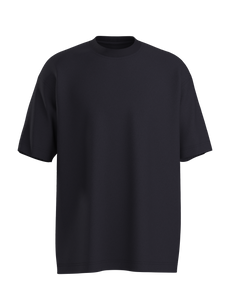
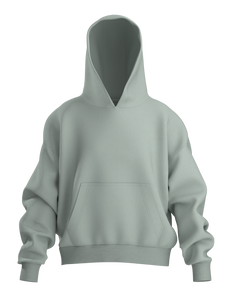
Cost per wear provides a more accurate measure of value. A slightly higher-cost tee or hoodie that lasts longer and performs better often ends up being more economical than a cheaper alternative that falls out of rotation quickly.
Margin Planning: When Higher COGS Still Wins
Premium materials can support higher retail pricing, stronger sell-through, and fewer markdowns. In many cases, higher COGS paired with better performance results in healthier margins overall.
Reorder Economics
Consistency simplifies reorders. When fit, fabric, and performance stay predictable, scaling production becomes easier and less risky. That reliability saves time, reduces errors, and lowers long-term operational costs.
When you look at cost this way, reliability becomes the value driver. This is where better cotton programs earn their ROI.
What To Ask Your Supplier Before You Decide
Material choice should never happen in isolation. Asking the right questions protects your investment.
Fabric Specs
Ask about GSM, shrinkage, pilling, dye consistency, and stitch construction. These details matter more than fibre type alone.
Sourcing And Documentation
Understand where the cotton comes from and what documentation is available. Transparency builds trust and reduces surprises later.
Sampling And QC Process
Sample before you commit to volume. Consistent sampling and quality control are signs of a supplier built for wholesale scale.
Once these questions are answered, it’s easier to evaluate how different suppliers actually support long-term wholesale programs and not just individual orders.
How Basico Branco Approaches Premium Wholesale Cotton

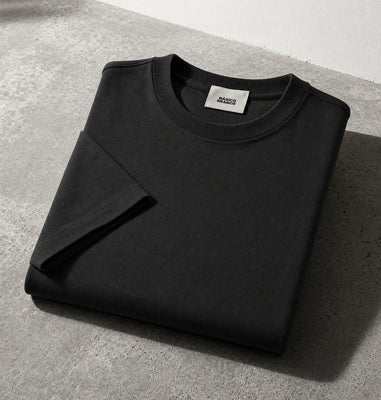
At Basico Branco, we design premium blanks for decorated merchandise and repeat wholesale programs. Our focus is on consistency, retail-ready feel, and materials that hold up across multiple runs.
Why Premium Blanks Matter For Branding
Print and embroidery perform better on stable fabrics. Consistent fits and reliable construction ensure that branded pieces look intentional, not disposable.
Building Programs That Scale
Wholesale success depends on predictability. Reliable materials and production processes reduce friction, simplify reorders, and support long-term growth.
We build premium cotton blanks designed for consistency, wearability, and repeat production.
Choose Based On Real Cost, Not Just Price
Organic cotton wholesale programs can cost more up front, but the real cost shows up later in returns, rejects, inconsistent batches, and reorders that don’t match. If your brand depends on repeatable fit, stable fabric, and retail-ready feel, pay attention to durability, consistency, and how the garment performs after real wear and real washes.
The next step is simple: sample first, wear-test hard, and evaluate cost-per-wear before you commit your budget to a full run. Apply for a Basico Branco wholesale account to get started today!