Why US and Canadian Clothing Brands Are Turning to European Blank Suppliers in 2026
If you source blanks for your brand, your unit math is broken in 2026. New apparel tariffs, longer shipping windows, and rising freight costs have pushed US and Canadian brands to rethink where they source their garments. Ordering from Asia by default no longer wins on price once you add up the full cost.
Supply chain risk has forced a harder look at reliability. A stalled container costs you sales and reorders, and inconsistent quality costs you customers. Brands want a partner that ships on time and holds one standard across every batch.
European blanks now compete on cost and quality. A European blank apparel supplier for US brands gives you retail-grade fabric at wholesale pricing, with production close enough to feed North American demand cycles without the long-haul gamble.
What Is Driving the 2026 Move Toward European Suppliers
Apparel tariffs in 2026 changed the landed cost math for US brands. Higher duties on Asian imports shrink the price advantage that once made the long lead times and large minimums worth it.
Supply chain disruption pushed brands toward suppliers they can count on. When a shipment gets stuck at port, your merch program stops. Reliability carries real financial weight now.
Transatlantic shipping from Portugal reaches North America faster than most Asian routes. Shorter lead times mean quicker reorders and less cash tied up in transit inventory. Brands also want retail-grade quality at wholesale pricing, and sourcing clothing from Europe to North America delivers both.
How Tariffs and Landed Cost Change Your Real Unit Economics
Your true cost is not the quoted unit price. Landed cost for apparel from Europe or Asia includes duties, freight, brokerage, and handling fees that pile on top of the sticker number.
Asian imports often hide fees that surface after the order ships. Tariffs, customs charges, and freight surcharges can add a meaningful percentage to every garment you receive.
European sourcing narrows the total cost gap. Once you factor in tariffs and freight, an Asian order often lands within range, with better fabric and faster delivery. Treat sourcing as a long-term margin decision, not a one-order price hunt.


Portugal vs China: What Your Sourcing Choice Actually Buys You
Portuguese production gives you premium-weight fabric and clean construction at scale, built for garments that survive repeated wear and wash. Portugal vs China clothing manufacturing comes down to what you get per dollar.
Order flexibility separates the two. Large bulk commitments lock up cash and warehouse space. Flexible ordering lets you match production to demand. Direct communication and production oversight improve when one partner controls the full process in one country.
Lead Times and Order Flexibility
Faster reorders keep your program in step with North American demand cycles. You restock before you sell out, not weeks later. No MOQ on blanks, so you order what you need. Printed goods start at a 50-unit MOQ, which keeps decorated runs within reach for small and growing brands.
Why Fabric Weight and Longevity Matter for Your Brand

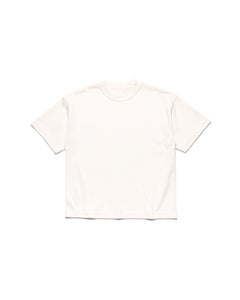
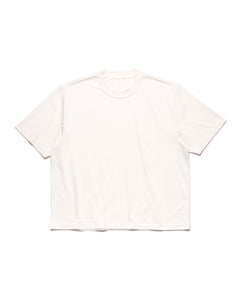
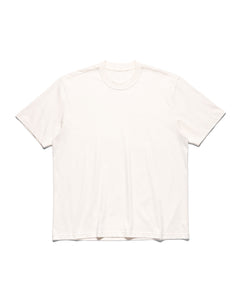
Fabric weight tells buyers whether your product reads as retail or promotional. A 240 GSM organic cotton tee holds its shape, resists thinning, and gives customers a garment worth premium pricing.
The 210 GSM jersey works for softer, structured pieces. The 420 GSM fleece gives you the density customers expect from premium outerwear. These specs signal a product built to last before anyone reads a tag.
Longevity drives repeat customer value. When a shirt survives dozens of washes without fading or stretching, buyers come back and recommend you. Blank T-shirts from European wholesale sources provide that foundation.
What a Vertically Integrated European Supplier Delivers
A single-source model covers blanks, private labelling, printing, and embroidery under one roof. You skip the coordination headache of managing separate vendors for each step.
Print methods fit different needs. DTG suits detailed, full-colour designs on smaller runs. DTF handles varied fabrics with strong durability. Bulk-friendly methods keep per-unit costs down on large orders.
Quality control runs across the full production chain because one partner owns every stage. Made-in-Portugal fulfillment means your blanks, decoration, and shipping all come from a single European blank apparel supplier for US brands.
How Scaling Works for Teams, Retailers, and Merch Programs

Flexible ordering serves small businesses and creatives who need to test designs without committing to thousands of units. You start small and scale as demand grows.
Reliable bulk production supports corporate merch teams and professional sports organizations that need volume on a fixed schedule. Sourcing clothing from Europe to North America, we handle both ends of that range through one partner.
Real collaborations back the model. Partnerships with the Canucks and Calgary Flames show the production can meet major sports organizations' standards. Pricing for extra print positions, embroidery, and branded packaging works as a value investment that raises perceived product quality.
How to Evaluate a European Blank Supplier Before You Commit
Request samples first. Handling the fabric and checking the seams tells you more than any spec sheet about how the garment performs.
Confirm MOQ, pricing, and decoration options before you order. Know the no-MOQ terms on blanks, the 50-unit minimum on printed goods, and the full range of print and embroidery methods.
Check production transparency and Portugal-based control, so you know who handles each stage. Match the supplier's capabilities to your growth stage, whether you run a small studio or a national merch program.
The 2026 sourcing environment favours European partners for brands that weigh total landed cost, lead time, and quality together. Retail-ready, wholesale-priced blanks made in Portugal give you the margin and consistency to grow.
The Landed Cost Math Has Changed. Your Supplier Should Too.
The 2026 tariff landscape has changed what a blank actually costs US and Canadian brands once duties, freight, and delays are factored in. European production closes that gap and then adds retail-grade fabric, faster reorders, and a single-source chain you can rely on. Basico Branco runs blanks, decoration, and private labelling from Portugal with no MOQ on blanks and a 50-unit minimum on printed goods, so you start right-sized and scale without front-loading inventory.
If your current supplier still has you trading lead time for quality and minimum orders for price certainty, it is worth running the real numbers with Basico Branco.
Popular Posts
Slow Fashion vs. Fast Fashion: Why Investing in Premium Blanks is the Better Business Model for Small Brands
November 12, 2026
Custom Clothing Labels, Neck Labels, and Hangtags: The Finishing Details that Make a Brand Feel Complete
November 05, 2026
Community Merch That Actually Gets Worn: How Run Clubs, Studios, and Local Groups Build Belonging Through Clothing
November 03, 2026