How to Read Blank Apparel Fabric Specs: A Brand Founder's Guide to GSM, Ring-Spun, and Combed Cotton
The difference between merchandise that builds your brand and merchandise that disappoints often comes down to fabric specs. GSM, ring-spun yarn, and combed cotton are not technical footnotes for manufacturers. They are business signals that tell you exactly what you are buying before a single unit is produced. Understanding them puts you in control of quality, cost, and what your product actually delivers.
In this blog, we’ll explain how GSM, ring-spun yarn, and combed cotton affect blank apparel quality so you can choose garments that feel better, print cleaner, and last longer.
What GSM Actually Tells You About a T-Shirt
GSM stands for grams per square meter. It measures how much fiber is packed into the fabric, which directly determines the garment's weight, density, and long-term performance. A higher GSM means more material per unit of surface area, and that translates into a garment that holds its shape, resists wear, and feels substantial.
Lightweight fabrics fall within the 170 GSM range or below. They drape loosely and work for warm-weather basics, but they show wear quickly and rarely hold print work cleanly through multiple washes. Mid-weight fabrics at 170–190 GSM balance structure with versatility. Heavy-weight fabrics at 200 GSM and above deliver the durability and perceived quality that retail-grade products require. That is the spec behind the organic cotton blanks in the Basico Branco core line.
When you evaluate a blank, GSM is your first filter. It tells you whether the garment is built to last or built to a price point.
Ring-Spun vs. Open-End Cotton: What Does the Difference Mean for Your Product

Open-end spinning is a high-speed process that produces yarn quickly and at a lower cost. The result is a yarn with more air in its structure, a rougher surface texture, and less consistency across the fabric. Open-ended garments are cheaper to produce. They also feel coarser, pill faster, and wear out sooner.
Ring-spun yarn is made by continuously twisting and thinning cotton fibers into a tighter, more uniform strand. The surface is smoother, the construction is denser, and the garment holds its shape through repeated washing. The tactile difference is immediate. Ring-spun cotton feels like a finished product. Open-end cotton feels like a commodity.
For any brand selling merchandise or uniforms, ring-spun is the baseline. The cost difference per unit is small. The difference in how your product represents your brand is not.


Combed Cotton vs. Regular Cotton: One Extra Step That Changes the Garment
Combing runs cotton fibers through fine-toothed rollers before spinning. This removes short fibers, knots, and impurities that would otherwise end up in the finished yarn. What remains is a longer, cleaner fiber that produces a noticeably softer hand feel and a more uniform fabric surface.
The practical results are clear. Combed cotton pills less, softens with washing rather than degrading, and maintains its surface integrity far longer than standard cotton. For printed merchandise, that cleaner surface also means better ink adhesion and sharper print results from the first wash to the fiftieth.
Combed ring-spun cotton combines both processes. It is the construction standard for premium blank apparel, and it is the specification you should require from any wholesale supplier before committing to a blank program.
How These Specs Affect Printing and Decoration
Fabric construction determines how well your garment holds decoration. Smoother yarn surfaces, produced through ring-spinning and combing, give DTG and DTF inks a consistent base to bond with. The result is sharper detail, more accurate color, and prints that hold up through washing rather than cracking or fading after a few wears.
Fabric weight also affects embroidery stability. Heavier fabrics at 240 GSM provide the structural support that embroidery requires. Lighter or loosely constructed fabrics can pucker under needle tension, distorting the finished design. If embroidery is part of your decoration program, the GSM floor matters as much as thread count.
Lower-spec fabrics undermine high-quality print work. You can spend on premium decoration and lose the result entirely because the base garment cannot hold it.
How to Evaluate Fabric Specs When Ordering Blank Apparel
A supplier spec sheet should list GSM, yarn type, fiber content, and fabric construction. If any of these are missing, ask for them directly. A wholesale supplier that cannot provide complete specs is a risk to your product quality and your production timeline.
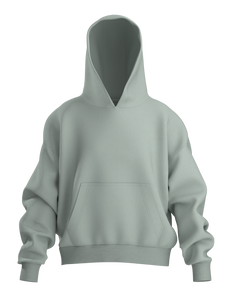
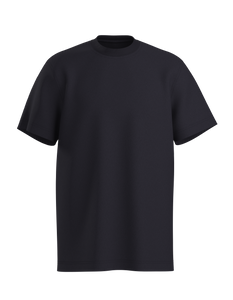
Match fabric weight to your intended application. A 210 GSM jersey works well for retail basics and team uniforms. A 240 GSM organic cotton blank is the right call for premium-branded merchandise, retail collections, and programs like the professional sports collaborations that Basico Branco has produced for teams including the Canucks and Calgary Flames. A 420 GSM fleece is built for outerwear and cold-weather programs where warmth and durability are non-negotiable.
FAQs
What does GSM tell you about a t-shirt?
GSM, or grams per square meter, measures how much fiber is packed into the fabric, which determines weight, density, and durability. Lightweight fabric ranges up to 170 GSM, mid-weight from 170 to 190 GSM, and heavy-weight retail-grade fabric starts at 200 GSM.
What is the difference between ring-spun and open-end cotton?
Open-end yarn is spun quickly and cheaply, giving a coarser surface that pills faster and wears out sooner. Ring-spun yarn twists fibers into a tighter, smoother, denser strand that holds its shape through repeated washing.
Why does combed cotton matter for blank apparel?
Combing removes short fibers and impurities, leaving longer, cleaner fibers that feel softer and pill less. The smoother surface also improves ink adhesion, delivering sharper prints that hold up wash after wash.
Choose Blanks That Carry Your Brand Well

Fabric specs decide how your product feels, prints, wears, and represents your brand after every wash. Basico Branco’s premium organic cotton blanks are built with the weight, structure, and finish needed for retail-ready merchandise, uniforms, and branded apparel programs.
Build your next collection on better fabric with Basico Branco’s premium blank apparel.