How to Build Launch Hype Without a Big Marketing Budget
You want your launch to sell out, but you do not have the ad budget of a national retailer. Drop culture fixes that. Timed, limited releases build demand through scarcity rather than paid media, enabling a small apparel brand to create momentum on a lean budget.
The gap between big-budget hype and lean launch tactics is narrower than most founders think. Large retailers spend to move standing inventory. You move a fixed run to an audience you have already warmed up.
A smart clothing brand drop strategy for a small brand needs three things: quality product, controlled supply, and a clear release moment. This guide breaks down each one.
What Drop Culture Means for a Small Brand
A drop is a limited release sold inside a set window, then closed. Streetwear built this model on exclusive collaborations and short runs that sold out in minutes. Buyers learned to act on release day rather than wait for a restock.
The split from always-on inventory comes down to control. Rather than holding stock and hoping it sells, you produce a fixed quantity for one defined moment. Scarcity does the work paid ads would otherwise handle.
Small brands have an edge here. You can design, sample, and release faster than a large retailer locked into seasonal calendars and warehouse commitments. That speed lets you test streetwear drop culture as a small brand without having to sit on dead stock.
Why Scarcity Beats Big Budgets
Limited runs turn a small order size into a selling point. A run of 50 units is not a shortfall when you frame it as an exclusive release. Limited-stock collections create urgency by making the available quantity and buying window clear from the start.
Perceived value climbs when supply is capped. Buyers move faster once they know a piece will not come back. That urgency replaces the reach you would pay for with ads and drives the hype around your limited-edition apparel drop.
Exclusivity also helps small clothing brands build real customer loyalty. Customers who secure one drop feel part of something limited, so they show up for the next. Each release feeds into the next, which is how an apparel scarcity launch strategy sustains demand over time.
Build Your Drop on Retail-Ready Blanks

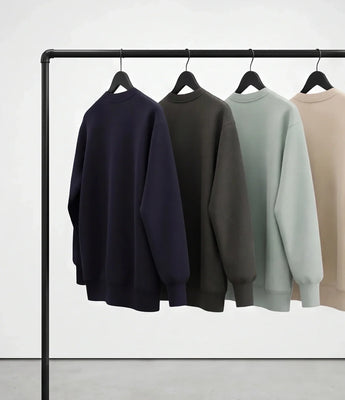
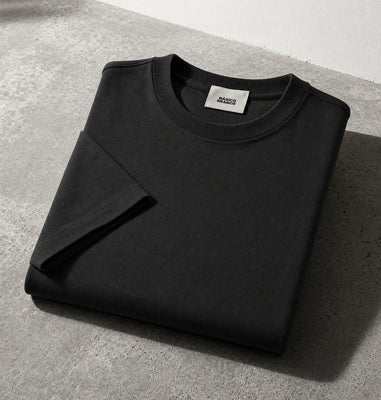
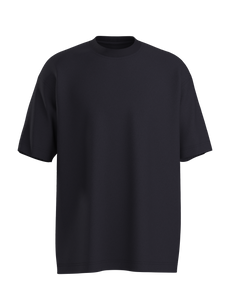
Your drop lives or dies on the blank. Fabric weight signals premium before a single print lands. A heavier, structured garment reads as retail quality the moment a customer picks it up.
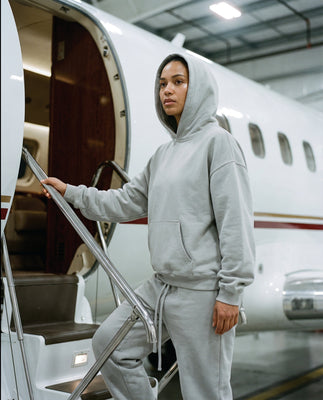
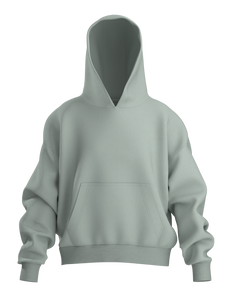
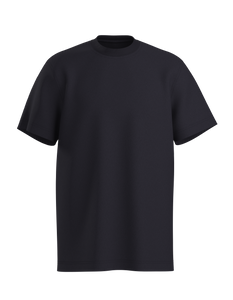
Basico Branco supplies elevated blanks at wholesale pricing built for this. Options include 240 GSM organic cotton, 210 GSM jersey, and 420 GSM fleece, each engineered for longevity so your drop feels built to last.
There is no MOQ on blanks, so you can test designs before scaling. Before announcing the release, evaluate apparel samples for fit, fabric weight, wash performance, and decoration quality. Printed and decorated merchandise starts at 50 units, which keeps your first run lean while staying retail-ready and wholesale-priced.
How to Create Anticipation Before Launch Day
Hype starts before release day. The aim is to build demand you can measure, then produce against it.
Teasers and Behind-the-Scenes Content
Fabric close-ups, sampling shots, and production images show the quality behind the drop. They build credibility and give followers a reason to keep watching.
Use these assets as part of a coordinated pre-launch content strategy rather than posting disconnected previews whenever they are ready. Partial reveals can introduce the colour, fabric, artwork, and production process without showing the entire product at once.
Countdown posts and a clear release date then draw attention toward one defined launch moment.
Waitlists and Early Access
A sign-up form captures demand before you produce a single unit. That data tells you how much to order and keeps you from overproducing.
Turn those sign-ups into a product launch email sequence covering the first preview, launch countdown, release announcement, and final availability reminder.
Offer early access as a reward for engaged followers. It gives them a reason to opt in and move fast on drop day. It also shows which customers are most likely to buy before you commit to a larger production run.
Ready to test a design? Explore the catalogue or request a quote on blanks to lock in your fabric before you announce.


Drop-Day Tactics That Help You Sell Out
Sell-through comes from clarity. State the fixed quantity and hold to it. A plain "when it is gone, it is gone" message removes hesitation and pushes buyers to act now.
Timed release windows pack demand into a short stretch, which builds the pressure a sellout runs on. Announce the exact time and stick to it.
Product photography has to read as premium retail. Shoot the garment so the fabric weight and print quality show clearly. Private label and branded packaging reinforce the drop feel and justify higher pricing, a long-term value investment that separates your product from generic merch.
Choosing Print and Decoration Methods for Small Runs
Match the method to the run. DTG suits detailed, low-volume designs where colour depth matters and quantities stay small.
DTF holds up across mixed fabric types and delivers strong durability, which makes it a reliable pick for varied drops. As volumes grow, bulk-friendly methods reduce your per-unit cost without sacrificing consistency.
Embroidery lifts higher-value pieces and reads as premium retail on caps, fleece, and heavyweight cotton. Before approving production, choose the right blank for each decoration method so the fabric can handle the ink, heat, or stitch tension involved.
Scaling From First Drop to Repeatable System

Your first drop is data. Sell-through numbers tell you which designs, sizes, and fabrics to produce next, so each release plans itself from real demand.
A vertically integrated production model keeps that system reliable. Basico Branco handles blanks, private labelling, printing, embroidery, and fulfillment from Portugal, so one source controls quality across every drop you run.
FAQs
How early should a small brand start building launch hype?
Start two to four weeks before launch with teasers, behind-the-scenes content, waitlist sign-ups, and a clear release date.
Do limited drops work without paid advertising?
Yes. Scarcity, early access, email marketing, and consistent organic content can create urgency without a large ad budget.
How many units should a first apparel drop include?
Base the run on waitlist demand, audience size, and sample feedback. Keep the first quantity lean enough to limit unsold inventory.
Turn Launch Hype Into a Drop That Sells
Hype only works when the product delivers. Basico Branco brings premium Portuguese blanks, decoration, private labelling, and flexible blank ordering into one reliable production system, helping you test lean without compromising the quality customers expect.
Turn your audience’s attention into a retail-ready release by building your next drop through Basico Branco’s wholesale apparel program.