How To Choose Blank Apparel Suppliers: 10 Questions Every Startup Should Ask
When you’re building a clothing brand, it’s tempting to believe that great design can fix everything. But in reality, the wrong blank apparel supplier causes problems like inconsistent fits, delayed launches, quality complaints, and frustrated customers.
Choosing the right supplier is a brand-defining decision. It affects your margins, your reputation, and your ability to scale confidently.
That’s why we’ve put together the ten most important questions every startup should ask when evaluating blank apparel suppliers.
This guide also explains what “good supplier fit” really means, and how premium, sustainability-minded options like Basico Branco support brands aiming for retail-ready basics from day one.
Before You Start: What “Good Supplier Fit” Actually Means
Before you sign anything, you need to understand what “good supplier fit” really means.
Your Brand Needs A Supplier That Matches Your Stage
Good blank apparel suppliers understand your stage. They don’t push you into producing volumes you can’t manage, and they don’t change core products every season. Matching your supplier to your current stage prevents cash-flow stress and reduces costly mistakes.
Your Product Category Changes Everything
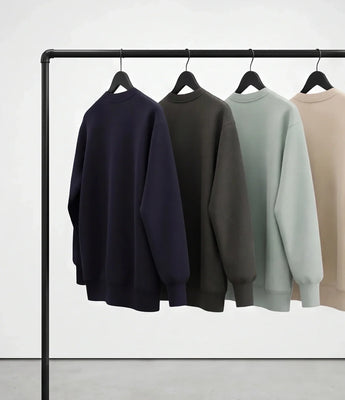
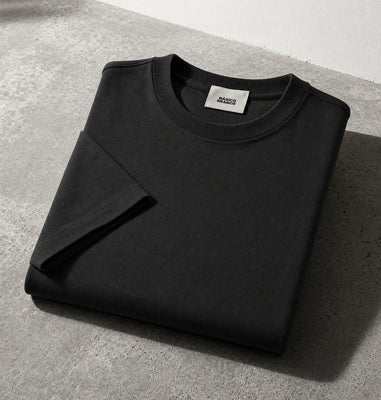
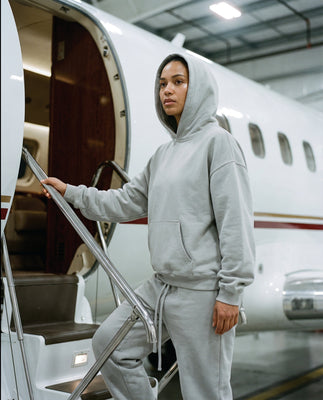
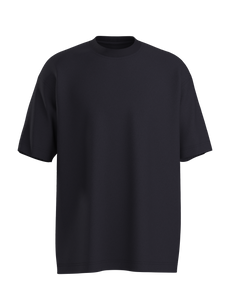
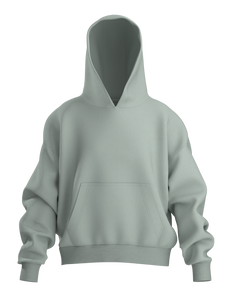
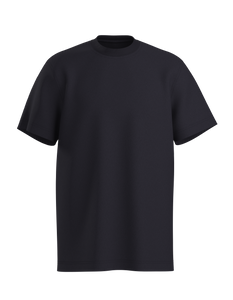
A blank T-shirt has very different risk points than a hoodie or sweatshirt. Tees are more sensitive to shrinkage and fabric quality, while heavier garments demand better construction, durability, and fit consistency. Startups often overlook this and assume one supplier will work equally well across all categories.
Be clear about what you’re actually producing. The more specific your product focus, the easier it is to evaluate suppliers realistically.
The 10 Questions Every Startup Should Ask A Blank Apparel Supplier

Before you commit to a supplier relationship that will shape your product quality and customer satisfaction, it's worth knowing exactly what to ask.
1) Can You Share Full Fabric Specs (Not Just “Premium Cotton”)?
Vague descriptions like “high-quality cotton” don’t tell you anything useful. You should ask for full fabric specifications, including composition, GSM (fabric weight), and any notes on hand-feel or knit type. These details directly affect how the garment drapes, wears, and feels to your customer.
2) How Consistent Are Your Fits Across Batches And Reorders?
Fit consistency is one of the biggest challenges startups face. You must ask how much variation is allowed between production runs, how shrinkage is managed, and whether size grading remains stable over time. You should also ask whether you’ll be notified if a fit adjustment is made or if it changes quietly.
3) What Does Your Size Range Look Like, And Is It Truly Inclusive?
A supplier may technically offer multiple sizes, but that doesn’t mean they’re well-designed. Ask for complete measurement charts and confirm that sizing is consistent across styles. Find out whether extended sizes are treated as core products or afterthoughts.
4) Do You Offer Samples, And How Fast Can I Get Them?
Sampling is your first line of quality control. You should enquire about how samples are ordered, how long they take to arrive, and whether they’re pulled from production stock or created separately. Ideally, samples should match what customers will receive.
5) What Are Your Minimums And Price Breaks?
Precise minimum order quantities and transparent pricing tiers help you plan inventory without guessing. Ask about minimums for blanks, any differences for decorated runs, and how pricing changes as volumes increase. This information allows you to forecast margins accurately and avoid over-ordering too early.
6) What Colours Are Available, And How Stable Is Colour Matching?
Colour consistency is more complicated than it looks. You must ask for physical colour cards, information on dye-lot control, and how often key colours are restocked. Find out what happens if a shade shifts slightly between batches. Even minor inconsistencies can make collections look mismatched, especially in neutral tones like black, white, and grey.
7) What Quality Control Checks Do You Run?
Quality control failures eventually become your customer service problem. Ask what inspections are done before shipping, how defects are handled, and what the process looks like if flawed items reach you. Reliable blank apparel suppliers take responsibility for quality, rather than pushing the burden downstream.
8) How Do You Handle Lead Times, Stock Levels, And Restocks?
Understanding what’s in stock versus made-to-order is critical. Ask about average lead times, restock schedules, and how shortages are communicated. You should also know whether popular styles are consistently available. Missed launches and delayed restocks hurt both revenue and credibility.
9) Can Your Blanks Handle Your Decoration Method?
Not all blanks perform well with every decoration technique. You should ask how the garments behave with screen printing, DTG or DTF printing, embroidery, and label applications. Fabric density, surface smoothness, and construction all matter here.
10) What Proof Can You Provide Around Sustainability And Ethics?
If sustainability matters to your brand, ask for clear explanations of sourcing, certifications, and what is actually verified versus aspirational. Avoid suppliers that rely solely on buzzwords. Credible organic blank suppliers protect your brand from overstated claims and reputational risk.
These questions give you a foundation for evaluating any supplier, but the conversation shouldn't stop here.
Why Startups Choose Basico Branco For Retail-Ready Blanks

Basico Branco helps startups launch retail-ready collections built on quality, consistency, and responsible production.
A. Premium, Brand-Building Basics
At Basico Branco, we focus on elevated silhouettes and blanks that feel finished, not promotional. Our products are designed to support brands aiming for a premium, retail-ready presentation.
B. Built For Repeat Orders
Consistency is central to our approach. Stable fits, reliable fabrics, and thoughtful production allow brands to reorder with confidence as they grow.
C. A Sustainability-Minded Approach
We prioritise organic cotton options and responsible production values without overclaiming. Transparency and long-term partnerships matter more than labels alone.
Basico Branco equips growing brands with more than just blanks; it offers a foundation they can build on.
Select A Supplier That Grows With Your Brand
When you select a blank apparel supplier, you make an operational decision. The right partner supports consistency, protects your reputation, and grows with you. The wrong one creates friction at every stage.
Ask these ten questions, request samples, and compare suppliers carefully. When you do, you’ll be in a far stronger position to build a brand that customers trust and return to. If you’re exploring premium, sustainability-minded blanks, start with Basico Branco’s premium blanks, built for comfort from day one.