Unisex vs. Men's vs. Women's Fit: How to Build an Inclusive Apparel Line From the Start
Fit is one of the first decisions that shapes your entire product range, and most founders make it without seeing the full trade-offs. The cut you commit to sets your SKU count, your return rate, and how your merch reads on real bodies. Founders default to unisex because it feels simple. Simple is not always the right call for your customer base.
The right fit strategy protects three things that hit your bottom line: production cost, return volume, and how well your garments represent your brand. Get this right early, and you skip expensive corrections later. This guide covers unisex blank apparel for clothing brands and how to build an inclusive line from day one.
The Three Fit Categories Every Founder Needs to Understand
Unisex, men's, and women's fits are distinct pattern blocks, not minor variations of one shape. Each block sizes shoulders, chest, waist, and length to match the body it targets. Understanding men's vs women's vs unisex fit blanks starts with knowing these are separate engineering decisions.
A men's block runs wider through the shoulders with a straighter waist. A women's block tapers at the waist, shortens the body, and shifts the shoulder line. Here is the detail most founders miss. "Unisex" usually means a men's-based block relabeled. That works for plenty of programs, but you should know what you are buying.
How Unisex Fit Blanks Actually Sit on Different Bodies

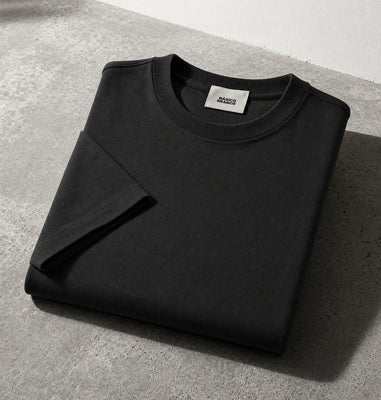
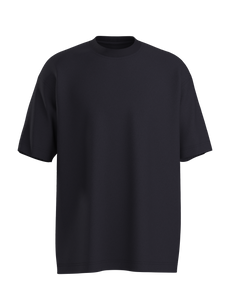
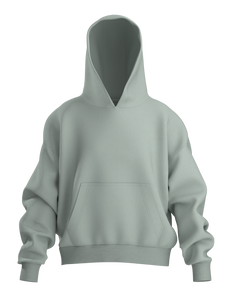
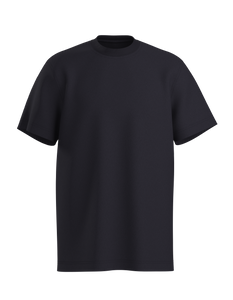
Unisex blanks sit boxier, with straighter side seams and a longer body length. This cut works for relaxed streetwear and layered styling. It falls short when a customer wants a tapered, closer fit, because the straight seams leave extra fabric through the waist.
Fabric weight changes how a unisex cut behaves. A 240 GSM organic cotton tee holds its shape and keeps the boxy look crisp. A 210 GSM jersey drapes softer and moves closer to the body. Knowing these reference weights lets you predict drape. That is unisex fit T-shirt sizing explained in plain terms: cut plus weight equals how it wears.
When You Should Choose Unisex over Gendered Fits
Unisex is the right call for streetwear, merch drops, teams, and events. A single block covers a wide customer base while cutting your SKU count and simplifying inventory. Fewer patterns mean fewer forecasting mistakes and less dead stock.
Professional sports collaborations prove the point. Projects like the Canucks and Calgary Flames partnerships lean on unisex fits so one garment serves fans across a broad audience. When your customers don't need a tailored cut, a single, well-built block is the smarter gender-neutral clothing brand strategy.
When Separate Men's and Women's Fits Are Worth the Investment

Fashion-forward and fit-focused brands need tailored blocks. If fit sits at the center of your positioning, a women's cut with a shorter body, tapered waist, and adjusted shoulder delivers what unisex cannot. Your customer feels the difference the moment she puts it on.
Separate fits raise your SKU cost, so weigh that against the payoff. Better fit lowers returns and lifts repeat purchase rates. Segmenting fits reads as a retail-grade positioning choice, a signal that you treat fit as seriously as premium retail brands do. For a gender inclusive clothing line, that investment often pays for itself in fewer returns.
Building an Inclusive Size Range From Day One
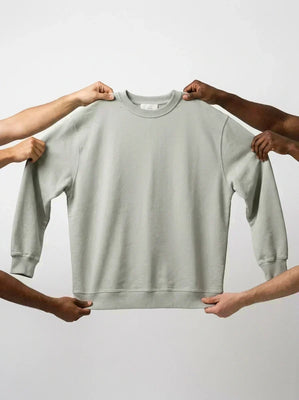
Extend your size runs beyond the standard S to XL from the start. Adding sizes later means re-grading patterns and reworking charts, which costs more than building the range once. Plan the full run before your first production order.
Grading consistency across the range keeps every size proportional. Publish accurate measurement charts based on real garment specs, not vanity sizing that inflates numbers to flatter. Honest measurements build trust and strip out the guesswork that drives returns. That is the foundation of any inclusive apparel sizing guide brand founders can rely on.
What to Include in a Sizing Guide Buyers Trust
List garment measurements next to body measurements so customers can compare directly. Add fit notes for unisex versus gendered cuts, because shoppers need to know whether a piece runs boxy or tapered. Clear sizing communication is the most direct way to cut returns before they happen.
How Fabric and Construction Affect Fit Consistency
Premium-weight fabrics hold their shape wash after wash, which keeps fit consistent over the life of the garment. Lighter, cheaper fabric distorts. A shirt that fit at purchase stops fitting after a few washes.
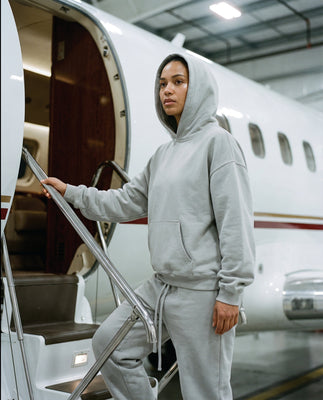
Match weight to use case. Use 420 GSM fleece for structured outerwear, 240 GSM cotton for durable tees, and 210 GSM jersey for softer everyday pieces. A vertically integrated production model keeps sizing consistent batch to batch. Made in Portugal with single-source quality control, your reorder matches your first run.


Scaling Your Fit Strategy as Your Brand Grows
Start unisex, then add gendered fits when your volume justifies the extra SKUs. This staged approach protects cash flow while you learn what your customers want. With no MOQ on blanks, you can test fits before committing to a decorated run.
When you move to printed merchandise, the MOQ is 50 units, which keeps decorated runs accessible as you scale. Private labelling, DTG, DTF, bulk-friendly methods, and embroidery all sit under one supplier, so your fit strategy stays consistent across every product. Organic cotton shirts in the $25 to $35 CAD range read as long-term value, not a short-term cost.
Fit strategy is a business decision before it is a design one. Whether you start unisex or build gendered blocks from the outset, retail-ready quality at wholesale pricing supports either path. Request a quote or explore the blanks catalogue to test fits with no minimum on blanks.