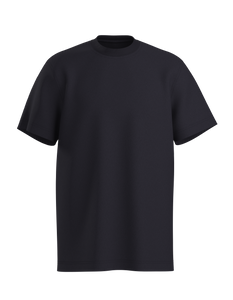
What "Made in Portugal" Actually Means For Your Clothing Brand
Print "made in Portugal" on a garment label, and you make a promise to your customers. That label reads differently than a generic origin tag, and retail-grade buyers know it.
Where you produce determines your garment quality, lead times, and per-unit pricing. Those three factors separate premium retail products from discounted print jobs. A made-in-Portugal clothing brand partner gives you control over all three, from blank to finished piece.
Why "Made in Portugal" Carries Weight in Apparel

Portugal built its name on garment construction and finishing that hold up against high-street brands. The stitching and detailing read as premium to buyers who compare your product side by side with what sits on a retail rack.
To retail-grade buyers and teams, the label signals attention to fabric and build. Portuguese textile production also sits inside the EU supply chain, so your merchandise carries European compliance and standards by default. That makes Portugal apparel quality a commercial asset, not a marketing line.
The Portuguese Textile Industry, Briefly Explained
Portugal concentrates its garment production in a handful of regions where vertically integrated mills operate close together. That proximity keeps the whole process tight and accountable.
Cotton spinning, knitting, and finishing run inside one supply chain instead of across scattered suppliers. When a single operator controls those stages, your garments come out consistent from the first unit to the five-hundredth. Single-source production strips out the variation that creeps in when work passes between disconnected factories.
What Portugal Delivers on Fabric Quality
Fabric weight decides how a garment performs, and Portuguese mills work in premium weights. Each weight serves a specific job in your product line.
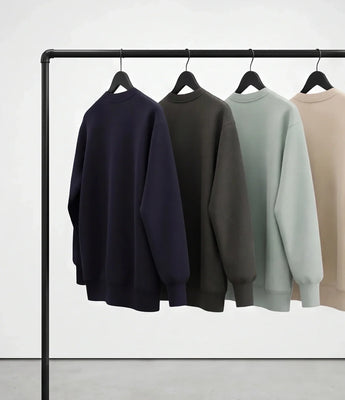
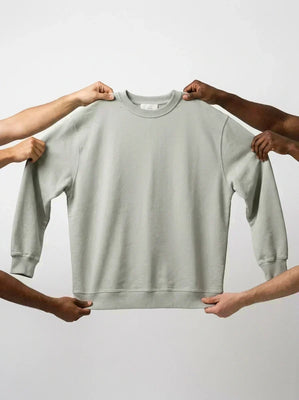
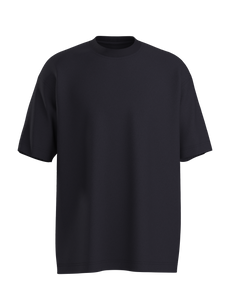
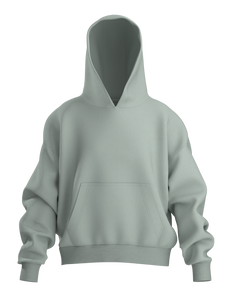
The 240 GSM organic cotton gives your pieces structure and drape without going stiff. The 210 GSM jersey works as an everyday retail-weight tee that keeps its shape through repeated wear. The 420 GSM fleece anchors heavyweight pieces for cold-weather collections.
Higher GSM directly supports garment longevity. Denser fabric resists wear, holds colour, and survives more wash cycles. Your brand gets protected every time a customer puts the product on.


Why Source Clothing from Portugal instead of Asia
For EU brands, Portugal cuts lead times through proximity alone. Your product ships shorter distances and reaches you faster than anything routed from Asia.
You also get lower minimums without giving up retail-grade output. Fewer intermediaries sit between your design and the finished product, so fewer parties add cost or introduce error. Ethical production standards come built into the process as a quality marker, reinforcing the finish rather than replacing it. These benefits compound across every order you place.
What EU-based Manufacturing Means for Your Operations
EU-based manufacturing clears out the parts of production that usually slow brands down. Logistics and customs move faster when your goods stay inside the EU.
Factory communication and account management run in aligned time zones with fewer language barriers. Compliance and certification get handled at the source, so you never chase paperwork after the fact. Your operations stay lean while your output stays consistent.
Blanks, Private Labelling, Printing, and Embroidery Under One Roof

A vertically integrated model takes your product from blank to decorated piece without leaving Portugal. That single-source control keeps quality steady across every stage.
Your printing method depends on the order. DTG suits detailed, full-colour designs on smaller runs. DTF holds up across varied fabrics and mid-size orders. Bulk-friendly methods bring your per-unit cost down at scale. Each one trades off detail, durability, and volume.
Embroidery and private labelling add long-term value, making your merchandise feel owned, not borrowed. You get no MOQ on blanks and a 50-unit minimum on printed merchandise, so you can test small and scale once demand confirms it. This is Portugal blank apparel wholesale built for how brands operate.
What "Made in Portugal" Means for Your Budget
Organic cotton shirts land in the $25 to $35 CAD range, placing retail-grade quality inside wholesale pricing. You get premium fabric without the retail markup.
Extra print positions, embroidery, and branded packaging read as value investments, not add-on costs. Each one raises your product's perceived value and supports a higher retail price. Retail-ready, wholesale-priced means your margins hold while your product looks the part.
Made in Portugal in Practice: Real-World Use Cases
The model proves itself under pressure. Basico Branco has produced for professional sports collaborations with the Canucks and Calgary Flames, where quality and consistency face real scrutiny.
Teams and organizations scale bulk production through the same single-source system that serves smaller accounts. Small businesses and creatives place flexible orders on blanks without minimums, then move into decorated runs when they are ready. Review the full catalogue to match fabric weights to your line, and the About page walks through how the vertically integrated model works end to end.
The "made in Portugal" label commits your brand to a standard of quality and consistency that customers notice. A single-source Portuguese partner protects your margins by removing intermediaries and protects your reputation by keeping output steady across every run.
Put “Made in Portugal” Behind Your Brand
Where your apparel is made shows up in the fabric, construction, finish, and consistency of every order. Basico Branco brings premium Portuguese blanks, printing, embroidery, private labelling, and scalable production into one streamlined system, giving your brand fewer handoffs and tighter control from the first unit to the next bulk run.
Build your next collection around retail-ready quality with Basico Branco’s wholesale apparel production.