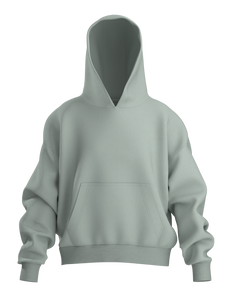
The Anatomy of a High-Quality Blank Sweatshirt: What Brand Owners Should Know Before They Order
Most brand owners run into this issue at least once: you order a sample that looks great in pictures, but when it arrives, reality hits. Sometimes the fabric feels thinner than expected, or the cuffs lose their shape after a few wears, or the fit looks nothing like you imagined on the hanger.
This isn't just a sourcing issue; it's a brand decision mistake. The blank sweatshirt you choose impacts how your customer perceives your product long before they notice the print or embroidery on it.
This guide will help you understand what makes a high-quality sweatshirt and why the right choice matters, from fabric weight to the final finishing touches, ensuring clarity before placing your order.
Why Sweatshirt Quality Shows Up Faster Than Most Brand Owners Expect
Sweatshirts have a way of revealing their quality almost immediately. From the moment someone puts one on, they can feel the weight, the structure, and the softness; and after a few washes, the real test begins. This raises the following questions:
-
Does it hold its shape?
-
Does the fabric still feel the same?
These details show up faster than most brand owners expect.
The reason is simple: customers expect more from a sweatshirt than they do from a basic tee. It’s usually priced higher, worn more often, and kept in rotation for longer. Naturally, the bar is set higher, and any dip in quality becomes more noticeable.
The tricky part is that even if your branding is strong, a poor-quality blank can quietly undermine the brand's overall feel. The fit feels off, the fabric doesn’t sit right, and suddenly the whole product feels less considered than it actually is.
That’s why quality isn’t just something customers notice. It’s something they feel right away and continue to judge over time.
Start With the Fabric Weight and Overall Body
Fabric weight is usually the first thing people notice in a sweater. A sweatshirt that is too light feels cheap, while one that's too stiff doesn't drape properly and feels uncomfortable to wear.
The right weight depends on your brand direction:
-
lighter fabric for everyday essentials
-
refined and balanced fabric for premium lifestyle collections
-
heavier ones for streetwear-inspired drops
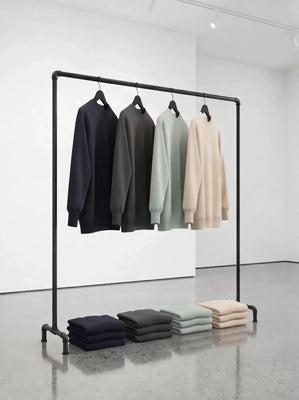
When you hold a blank, evaluate its structure, drape, warmth, and opacity. The key thing to remember is that “premium” doesn’t simply mean heavier. It means the sweatshirt is balanced in weight, comfortable to wear, and aligned with the direction your brand is heading.
Fabric sourcing guide explains how GSM directly affects drape and feel, and why matching fabric weight to the garment's intended use is one of the most important sourcing decisions you'll make.
Fit and Silhouette Decide Whether the Sweatshirt Feels Generic or Brand-Building

Fit is one of the most important decisions you'll make when choosing blanks. Some of the key areas to assess include:
-
Shoulder Shape: Go for a sweatshirt with sturdy shoulders, not the slouchy ones.
-
Sleeve Volume: Make sure the sleeves are neither too tight nor too loose.
-
Body Width and Length: Choose a garment with a balanced proportion between width and length.
-
Neckline Balance: Ensure the sweatshirt's neckline sits well without feeling too tight or wide.
A sweatshirt that fails in any of these areas compromises the entire garment. These small factors together shape the overall silhouette. And that silhouette defines your brand's look:
-
A clean, classic fit feels timeless.
-
A slightly relaxed fit feels modern and easy.
-
A more oversized shape leans into a bold, fashion-forward direction.
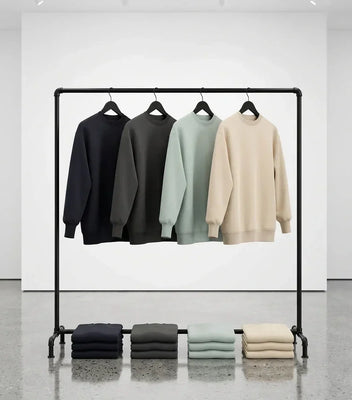
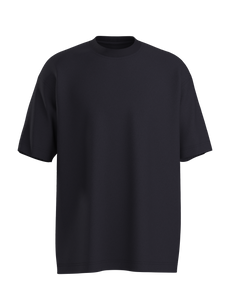
Even if the fabric is great, a poor fit can ruin everything. If it feels off, outdated, or inconsistent across sizes, the whole product loses its appeal. So, you must explore different sweatshirt blank silhouettes to find the fit that suits your program.
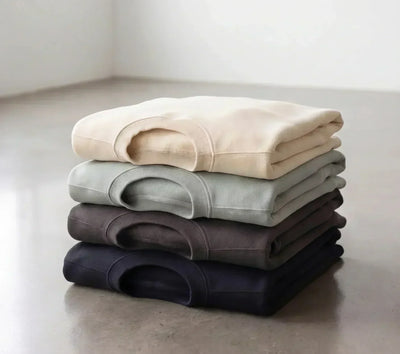
Construction Quality Is What Protects the Sweatshirt After Production
Once the fabric and fit feel right, the next thing to look at is the construction quality of the sweatshirt. Start with the basics by inspecting the following details:
-
Check if the seam is neat and clean. Do not buy a sweatshirt with a messy seam.
-
Ensure the stitches are even and consistent. Inconsistent stitching can damage the sweatshirt in no time.
-
Examine whether the collar of the sweatshirt is properly attached and not loose.
-
Make sure that areas that go through more stress, like the shoulders and underarms, are well supported.
Sloppy construction can lead to twisting after washing, shifting seams, and loss of shape over time.
Also, remember that though customers might not point out these issues at first, they will definitely notice if the garment loses its shape or the stitching gets ripped after repeated washes and wear.
You may refer to quality control guidelines for garment manufacturing before sourcing sweatshirts.
Textile testing analysis details how pilling, shrinkage, and colour fastness failures are among the leading causes of early garment discard.
When Paying More for a Better Blank Sweatshirt Actually Makes Sense

Spending more on a better sweatshirt can make sense. But it depends on what you’re trying to build.
Invest in higher-quality sweatshirts if you are:
-
Selling in a retail setting
-
Creating elevated merch
-
Building a brand that depends on repeat customers
-
Selling products with embroidery or heavier branding
However, in certain cases, paying less may make sense, such as:
-
A one-time promo run
-
Low-cost giveaways
-
Campaigns focused on price sensitivity
Look beyond just cost per piece, as a better-quality sweatshirt can improve how your product feels, how long it lasts, and how likely customers are to come back. In many cases, that added value matters more than the upfront cost.
Choose a Blank Sweatshirt That Can Carry Your Brand Properly
The quality of a sweatshirt is defined by more than a single aspect. Fabric weight, feel, comfort, fit, construction, and wash durability all work together to determine its overall quality. Each element either supports your brand's promise or quietly erodes it.
At Basico Branco, we build our blanks to hold their standard before and after decoration. Explore our premium blank sweatshirts and find the right foundation for your next program.