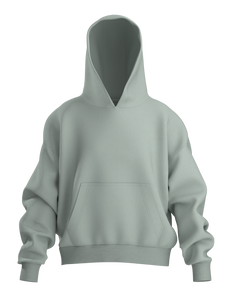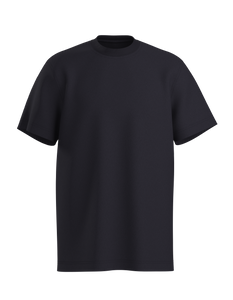
How to Build a Core 3–5 Piece Apparel Range From Scratch
Your first apparel range comes down to one early call: how many pieces to release. Most founders overbuild. They spread a limited budget across a dozen styles, dilute the brand, and lock up cash in stock that sits.
A tight 3-5 piece core fixes that. Fewer SKUs mean lower risk, cleaner positioning, and a faster read on what sells. This guide walks through piece selection, fabric weight, production, decoration, pricing, and scaling once demand proves itself.
Why a Focused Core Range Outperforms a Broad Launch
A focused range protects your capital and sharpens your brand. Fewer SKUs mean less upfront spend and lower inventory risk. You stop sinking money into styles that never move.
An intentional product assortment keeps the range centred on products customers are most likely to buy while reducing the risk of dead stock.
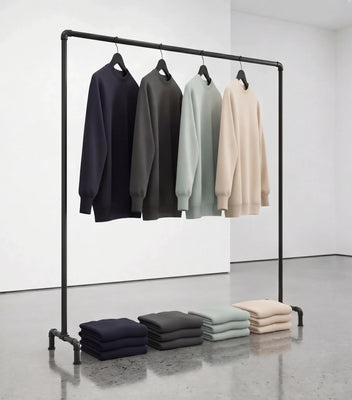
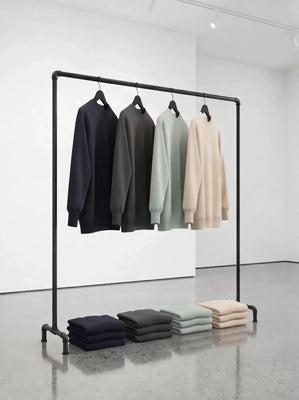
A tight range also builds a clear identity. Offer three to five considered pieces and customers understand what you stand for. Limiting your silhouettes, colours, and branding decisions helps you create a cohesive, branded apparel line rather than a catalogue of unrelated pieces.
You reach reorders faster too. With fewer pieces, sell-through data comes in quickly and shows which garments earn repeat production. A capsule range strategy lets you act on proven bestsellers instead of guessing.
```html


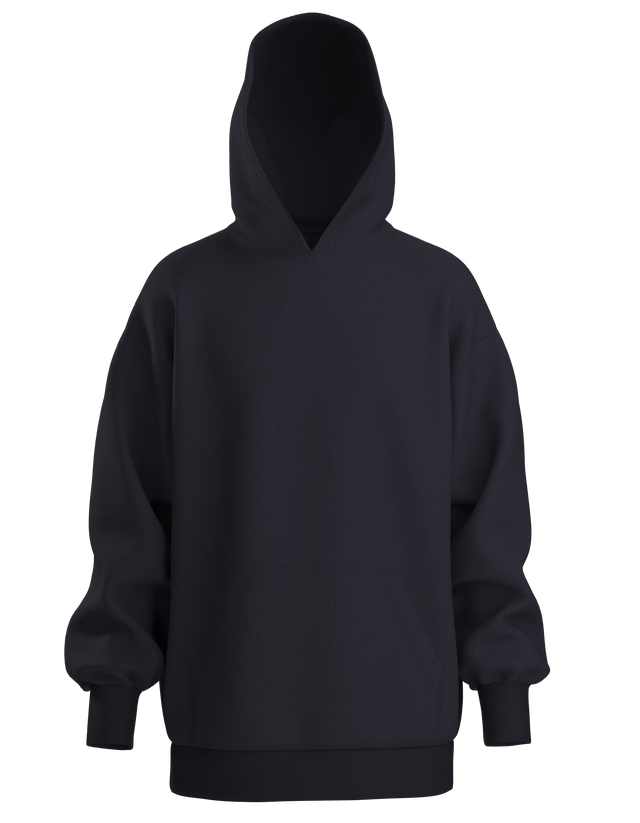
``` The current Classic Tee Shirt and Oversized Hoodie pages confirm these product names and current displayed prices.
How to Choose Your First 3-5 Pieces
Anchor everything around one hero garment. This is the piece that defines your brand and drives most of your early sales. Every other item supports it.
Pick everyday versatility over trend-driven styles. Pieces customers reach for again and again generate reorders. Trend items date fast and leave you holding dead stock.
Use your audience, production capacity, seasonal demand, and positioning to develop a focused product range rather than adding pieces simply to make the launch feel larger.
Match your selection to your audience and use case. A gym brand needs different weights and cuts than a streetwear label. Choosing your first products starts with knowing exactly who wears them and when.
Once the range is defined, document the garments, colours, sizes, quantities, decoration, and deadlines in a production-ready apparel brief.
The Core Building Blocks
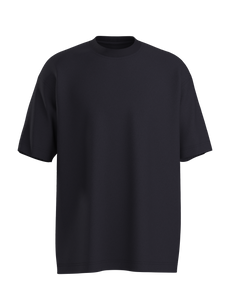
The T-shirt is your foundation. It carries the highest volume, reaches across audiences, and gives customers an accessible entry point to your brand.
A heavyweight tee or crewneck becomes your layering option. It adds structure and a step up in perceived value. From there, a hoodie or fleece delivers premium positioning and a higher price point.
Optional fourth and fifth pieces round out the range. Think a long-sleeve or a second hoodie weight, added once the core three prove themselves.
Fabric Weight and Why It Defines Your Range

Fabric weight signals quality before a customer reads the tag. Denser, heavier fabrics feel like retail product and last longer. That is where your positioning begins.
Use 240 GSM organic cotton for structured, retail-grade tees that hold shape wash after wash. For a softer everyday feel, 210 GSM jersey drapes better and suits relaxed fits.
For premium outerwear and hoodies, 420 GSM fleece brings the weight and warmth that justify a higher price. Building a minimal apparel line means every weight decision drives longevity and perceived value.
Deciding on Colours, Fits, and Consistency
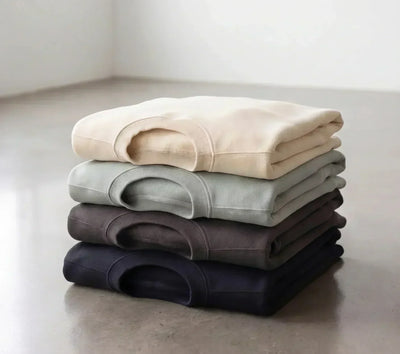
Limit your colour palette across the range. Three to four core colours keep production simple and your brand recognizable. A tight palette also cuts the number of SKUs you carry.
Keep fits consistent so the pieces read as one line. When your tee, crewneck, and hoodie share a coherent cut, customers buy the full set with confidence.
Neutral bases support future seasonal additions. Blanks give you control over fit and finish, so you dictate the details instead of accepting a supplier's off-the-shelf compromise.
Blanks, Private Labelling, and Decoration Choices
Blanks carry no minimum order quantity, so your first order stays flexible. You test the market without committing to volume you cannot yet justify.
Private labelling strips out third-party branding and replaces it with your own labels, resulting in a fully owned product. Decoration comes next, and each method carries trade-offs. DTG suits detailed, full-colour designs on small runs. DTF handles vibrant graphics across fabrics. Bulk-friendly methods bring per-unit cost down at higher volumes.
Before finalizing artwork, choose the right blank for each decoration method so its weight, fibre content, and surface can support the intended result.
Embroidery gives you a durable, premium finish that reads as considered quality. It works well for logos and understated branding.
Framing Decoration as Long-Term Value
Treat extra print positions and embroidery as brand investments, not add-on costs. A back print or embroidered sleeve raises perceived value and supports a higher retail price.
Branded packaging elevates the unboxing experience and reinforces your positioning at the moment of delivery. Printed and decorated merchandise starts at a 50-unit MOQ, a realistic entry point for decorated goods.
Costing Your Range and Setting Retail Pricing
Start with clear input costs. Organic cotton shirts sit in the $25-$35 CAD range, giving you a firm base to build margin on blank pricing.
Use reliable apparel retail math to calculate markup, gross margin, sales targets, and the effect of future markdowns before setting your final prices.
Build your retail price around that base, then factor in decoration and packaging costs alongside the perceived value of the finished garment. A well-decorated 240 GSM tee supports a stronger price than the blank alone.
Single-source production keeps costs predictable. When a single system in Portugal handles blanks, labelling, printing, and embroidery, you avoid surprise charges and price your range with confidence.
Scaling From a Core Range to a Full Collection

Let reorder data lead the expansion. The pieces that sell through the fastest tell you where to invest next, so you scale bestsellers rather than adding unthinkingly.
Add seasonal pieces once demand proves out. A summer weight or a winter fleece extends the range without the risk of an untested full launch.
Vertically integrated production keeps quality consistent as volume grows. The same system that powers professional collaborations like the Canucks and Calgary Flames partnerships handles your first 50 units and your thousandth unit, with retail-ready quality at wholesale pricing.
FAQs
How many pieces should a new apparel range include?
Start with three to five versatile pieces. This keeps inventory risk low while giving customers enough variety to understand the brand.
What should be the hero product in a first collection?
Choose the garment that best represents your audience, fit, and price point. The remaining pieces should support and layer around it.
When should a brand expand beyond its core range?
Expand after sales and reorder data confirm which products, sizes, and colours consistently perform best.
Build the Core Range Your Brand Can Grow On
Your first range does not need more pieces. It needs the right pieces, backed by dependable blanks, consistent decoration, and a production system ready for repeat orders. Basico Branco brings Portuguese-made organic cotton apparel, private labelling, printing, embroidery, and wholesale support into one streamlined process.
Protect your budget, prove demand, and build a stronger foundation for every collection that follows through Basico Branco’s wholesale apparel program.