How to Brief a Blank Apparel Supplier: What Your Manufacturer Actually Needs From You
Most brand founders assume their supplier needs a mood board and a general sense of direction. What your supplier actually needs is a clear order brief. Basico Branco offers a ready range of blanks that we print, embroider, label, and package for your brand. We do not turn customer designs into new garments, so your brief is to choose from our products and tell us how you want them decorated and finished, not to specify a custom garment. A production-ready brief closes the gap before a single unit is decorated.
In this blog, we’ll explain what to include in a production-ready apparel brief so your supplier can quote accurately, sample faster, and move your order into production with fewer delays.
Start With Your Product Selection, Not Your Brand Story
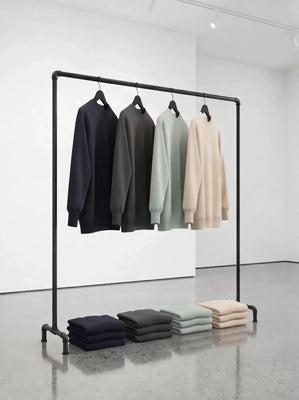
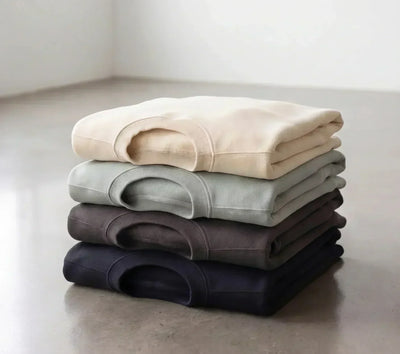
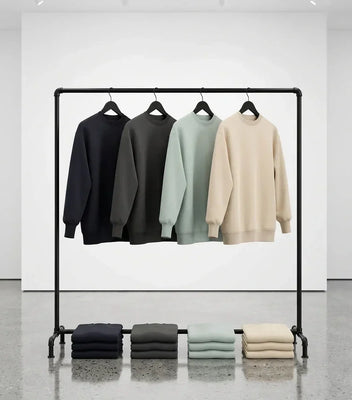
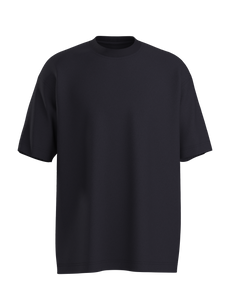
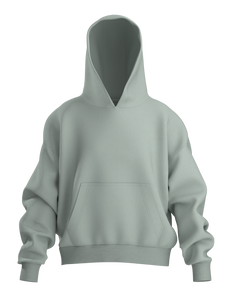
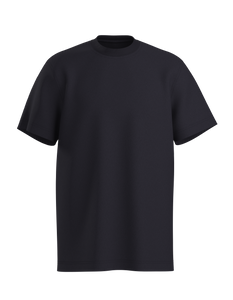
Basico Branco offers a defined range of ready-made blanks, so your brief starts by telling us which of our products you want, not by designing a garment from scratch. Choose the styles that fit your project from our range, such as our oversized hoodie, oversized sweatshirt, and cuffed sweatpants.
For each style, confirm the colours and the size breakdown you need. Because our products are made to set specifications, you do not need to supply fabric weights, composition, or construction details. You select from what we offer, and we take it from there. Naming the exact product and colour removes guesswork and keeps your order moving.


Define Your Print and Decoration Requirements Upfront
Print method selection affects pricing, lead time, and the finished result on the garment. DTG, DTF, screen printing, and embroidery each carry different setup requirements. State your preferred method early. If you are open to recommendations, say that too.
Specify placement, sizing, and the number of positions you need decorated. A left-chest logo and a full back graphic are two separate positions, each with its own cost. Supply artwork files in the correct format, typically vector files for screen printing and high-resolution rasters for DTG or DTF. Include Pantone or CMYK codes rather than colour names.
Communicate Your Order Volume and Timeline Clearly

Volume and timing are production inputs, not afterthoughts. Give your supplier the total unit count for each style and colorway. Break down your size distribution. A run of 200 units split unevenly across sizes affects stock allocation and fulfillment.
State your required delivery date and flag any hard deadlines tied to a launch, retail window, or event. Note whether you want a pre-production sample before bulk production begins or go straight to bulk production. At Basico Branco, printed and decorated merchandise starts at 50 units, so your volume brief should reflect your position relative to that threshold.
Specify Your Labelling and Packaging Needs
Labelling and packaging define how your product reaches the end customer. If you want private labelling, specify whether you need woven, printed, or tear-away labels. Each carries a different cost and lead time.
Detail your hang tag requirements, poly-bagging expectations, and any branded packaging standards. If your product ships directly to retailers or consumers, specify folding standards, sizing stickers, and retail-ready presentation requirements. These details belong in the brief, not in a follow-up email after production has already started.
Share Your Quality Benchmarks, Not Just Your Vision
Quality expectations need to be concrete. Where possible, provide a reference sample or approved piece that your supplier can use as a physical quality anchor. That removes ambiguity from print colour matching and decoration standards.
Define acceptable tolerances for print registration and colour matching. Define what a rejection-worthy defect looks like for your specific product. Basico Branco decorates retail-ready, wholesale-priced blanks produced in Portugal, so your quality floor for print and finishing should be documented, not assumed.
What a Complete Brief Actually Looks Like
Once the production details are clear, compile them into a single supplier-ready document. A strong brief removes guesswork, organizes decisions, and keeps approvals easy to track.
The Information Your Supplier Needs in One Document
A production-ready brief does not need to be long. It needs to be complete. One structured document that covers your product selection, print details, quantities, size breakdowns, deadlines, labelling, and packaging gives your supplier everything they need to move forward without having to chase you for answers.
Organize it in sections that follow the production sequence: product selection first, decoration second, quantities and timeline third, finishing and packaging last. Ambiguity in any one section adds time to your production cycle.
Common Gaps That Cause Production Delays
The most common brief failures are missing size ratios, undefined colorways, and low-resolution artwork files. Any one of those stops production at the artwork or sampling stage. The second most common issue is unclear approval authority. Your brief should specify who has sign-off on pre-production samples and how quickly the turnaround will occur.
When you brief a blank apparel supplier on your custom clothing, the information you provide your clothing manufacturer directly determines how quickly production moves. Gaps in the brief lead to delays in the timeline.
FAQs
What information should a blank apparel brief include?
A complete brief covers your product selection, print and decoration details, quantities with size breakdowns, deadlines, and labelling and packaging requirements in one document. Organize it in production sequence so your supplier can quote and sample without having to chase you for answers.
What artwork file formats do apparel manufacturers need for printing?
Supply vector files for screen printing and high-resolution rasters for DTG or DTF. Always include Pantone or CMYK codes rather than colour names to avoid registration and colour-matching errors.
What is the minimum order quantity for custom printed apparel at Basico Branco?
Printed and decorated merchandise starts at 50 units. Your volume brief should state total units per style and colorway, along with the size distribution across the run.
Turn Your Brief Into Production-Ready Apparel

A strong brief helps your supplier quote accurately, sample faster, avoid revisions, and move into production with confidence. Basico Branco brings blanks, printing, embroidery, private labelling, and packaging into one streamlined process, so your brand can move from brief to finished product without juggling multiple vendors.
Start your next run with Basico Branco’s wholesale apparel production.