Heavyweight vs Midweight Blanks: How to Choose the Right Weight for Your Product Line
Before you place a bulk order, fabric weight shapes everything downstream: print performance, retail price point, brand perception, and how long your garments hold up. The wrong call doesn't just affect your margins. It affects how customers experience your brand every time they wear the product.
GSM (grams per square meter) is the core spec to understand here. It defines the density, durability, and feel of every blank in your line. It is not a technical detail you can defer. In this blog, we’ll compare heavyweight and midweight blanks by GSM, durability, print quality, pricing, and product-line fit so you can choose the right fabric weight before building your apparel line.
What GSM Actually Tells You About a Blank
GSM measures how much material is packed into each square meter of fabric. Higher numbers mean denser, heavier, more structured garments. Lower numbers mean lighter, softer, and typically cheaper per unit.
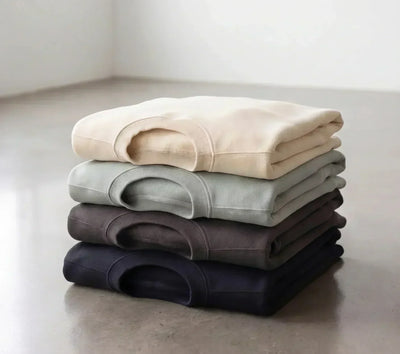
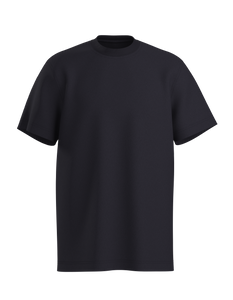
For a heavyweight t-shirt, 240 GSM is the benchmark. Below that sits the midweight category, running from roughly 180 to 220 GSM. The gap shows up in drape, structure, and hand feel. Heavier blanks hold their shape, fall with more body, and feel more substantial. You may also see weight expressed in ounces per square yard, which is the same spec in a different unit. 240 GSM converts to approximately 7.1 oz.
The Midweight Range: 180–220 GSM

Midweight blanks cover a broad range of use cases. They work across seasons, suit layering, and hold up well in warmer conditions. For high-volume programs where unit cost is a real constraint, midweight gives you solid wearability without the price premium of heavier options.
Basico Branco's 210 GSM jersey is the reference point in this range. It delivers a clean, retail-ready finish at a unit cost that works for brand founders scaling volume and building a high-turnover merch program or an entry-level line? The 210 GSM is a dependable foundation for midweight blank apparel for brand building.
The Heavyweight Range: 240 GSM and Above
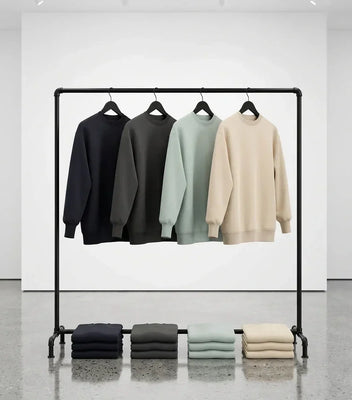
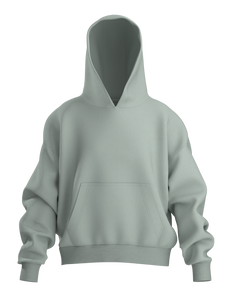
Basico Branco's 240 GSM organic cotton sits at the premium end of the retail-grade standard. The structural benefits are measurable. Heavier fabric shrinks less over time, withstands more wash cycles, and provides a more stable print surface. The garment holds its shape longer, extending the wear cycle and lowering your return rate.
The difference between 300 GSM and 200 GSM blank t-shirts becomes apparent quickly in real use. The 300 GSM feels like something you'd find in a premium boutique. The 200 GSM is lighter and cheaper, but it shows wear faster. Professional teams and premium brand founders default to heavier weights because the product longevity makes the cost worth it.


How Fabric Weight Affects Print and Decoration Results
Heavier fabric gives DTG, DTF, and embroidery a more stable surface to work with. The density reduces ink bleed and limits pilling that lighter blanks develop after repeated washing. For embroidery, higher GSM reduces the need for additional backing because the fabric itself provides structural resistance.
Print durability across wash cycles is directly tied to GSM. Lighter blanks show print degradation faster because the base fabric breaks down sooner. If decoration quality is part of how your brand signals value, choosing the right blank weight matters as much as choosing the right printing method. This is how to choose blank weight for a clothing line that holds up.
Matching Weight to Your Product Line and Use Case

Retail merch drops and branded collections make the strongest case for 240 GSM and above. The weight signals quality at the point of touch before a customer looks at the label. Corporate uniforms, event tees, and large-volume programs often work better in the midweight range, where unit efficiency outweighs premium positioning.
For sports teams and performance-adjacent lines, weight, structure, and durability are equally important. Basico Branco's partnerships with professional organizations, including the Canucks and Calgary Flames, are direct examples of heavyweight blanks meeting that standard. These teams chose heavier garments because the product needed to withstand repeated use and to represent a professional brand on every wear.
Pricing Your Product Line Around Fabric Weight
The wholesale cost difference between midweight and heavyweight blanks is real, but so is the retail price ceiling each weight can support. Basico Branco's organic cotton shirts are priced between $25 and $35 CAD, retail-ready, and available for wholesale. Heavier blanks anchor the top of that range and give you the product quality to defend it.
A 240 GSM garment priced at a premium retail point earns that price on feel alone. Fewer returns, a stronger brand reputation, and repeat buyers follow when you build on heavier blanks. Treat the weight decision as a long-term value investment, not a line-item cost to minimize.
Choose the Right Blank Weight Before You Build the Line

The right fabric weight does more than change how a garment feels. It shapes your pricing, print quality, durability, and how customers judge your brand the moment they pick it up. Basico Branco gives you the flexibility to choose between dependable midweight blanks and premium heavyweight organic cotton, so you can build a line that matches your product goals, budget, and brand positioning from the start.
Whether you need versatile 210 GSM jersey for higher-volume programs or 240 GSM organic cotton for a stronger retail-grade feel, you can source blanks with no MOQ and move into decorated production when you are ready.
Make every product decision stronger from the first sample to the final run with Basico Branco’s wholesale apparel solutions.