How to Order and Evaluate Samples Before Committing to a Bulk Apparel Order
A bulk apparel order gone wrong is an expensive lesson. Wrong fabric weight, inconsistent sizing, decoration that cracks after two washes, any one of those problems compounds across 50, 100, or 500 units fast. The sample stage is where you catch them before they become sunk costs. Treating it as a formality is the mistake most brand founders make exactly once.
In this blog, we’ll cover how to order and evaluate apparel samples before a bulk order, from checking fabric weight and stitching to testing fit, colourfastness, decoration quality, and supplier reliability.
Why Sampling Is a Non-Negotiable Step Before Bulk Production
Committing to a bulk order means locking in every variable: fabric quality, construction, fit, and finish at full scale. A decision that looks acceptable on paper can fall apart in production. One unvetted garment choice multiplied across hundreds of units means hundreds of units you cannot sell or stand behind.
Sampling tells you something more valuable than whether the product looks good. It tells you whether your supplier can be trusted. How they handle turnaround time, how directly they answer questions about GSM and production origin, all of it signals what working with them at scale will look like. Testing garment quality before production is, as much as anything, supplier vetting as much as it is product evaluation.
How to Request Samples from a Blank Apparel Supplier
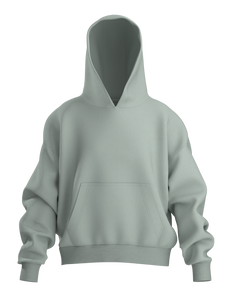
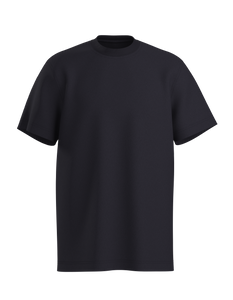
A sample request that lacks specifics produces a sample that tells you nothing useful. When you contact a supplier, define the fabric weight you need (240 GSM organic cotton, for example), the colorways you plan to carry, and the size range you need to evaluate. Vague requests produce generic results.
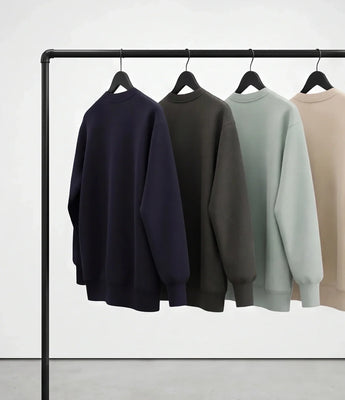
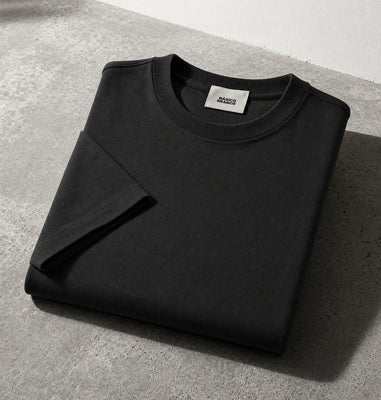
Ask upfront about turnaround time and whether the samples reflect actual production stock. A professional supplier gives you clear answers on both. At Basico Branco, blank samples carry no minimum order quantity. Decorated samples covering DTG, DTF, or embroidery output start at 50 units, consistent with the standard printed merchandise MOQ. Knowing that distinction helps you plan your evaluation timeline before committing to decorated production.
What to Look for When Testing Clothing Samples
A good sample test should go beyond how the garment looks at first glance, because the real quality shows up in the fabric, fit, stitching, and wash performance.
Fabric Weight and Hand Feel
GSM is your primary quality benchmark. A 240 GSM organic cotton garment feels and performs differently from a 160 GSM alternative. Hand feels at that weight translates directly to customer perception at retail. If the fabric feels thin in your hands, it will feel the same way to your end customer.
Construction and Stitching
Apply tension at stress points: side seams, shoulder seams, and sleeve joins. Seams should hold without distortion or thread pull. Stitch density needs to be consistent across the entire garment, not just at the visible front panel.
Sizing Accuracy and Fit Consistency
Measure the sample against your stated size spec or the supplier's published size chart. Then request multiple units of the same size and compare them. Fit variance across units of the same size is a production consistency problem that shows up at scale.
Colorfastness and Fabric Finish
Run the sample through a standard wash cycle before approving anything. Colour retention and pilling resistance after laundering are the real indicators of long-term fabric performance. A garment that fades or pills after one wash will not hold up for your customer.
Once these details check out, you can move into production with far more confidence that the bulk order will match the standard your customers expect.
How to Evaluate Print and Decoration Quality on Samples

Print and decoration output depends on the fabric weight and the surface it lands on. Test DTG, DTF, or embroidery directly on the blank you plan to use in production. Edge sharpness, colour accuracy, and coverage on dark blanks versus light blanks can vary significantly, even with the same artwork file.
Wash the decorated sample before signing off on it. A print that looks sharp on arrival but cracks or fades after laundering has failed the only test that matters. Decoration durability is the real benchmark for retail-ready output.


Building Your Apparel Sample Evaluation Checklist
Document every checkpoint before approving production: fabric weight confirmation, seam integrity, sizing accuracy, colorfastness, and post-wash decorated output. If you are evaluating multiple suppliers, apply the same criteria to each one. Inconsistent evaluation produces inconsistent decisions.
A sample that passes all documented checkpoints warrants production approval. A sample that fails on one or more points warrants either a conversation with the supplier or a re-order before you scale. Do not approve production on a sample you have reservations about; those reservations multiply with every unit produced.
Red Flags to Watch for in the Sampling Process
A supplier who resists sending samples, charges disproportionately for them, or delays without explanation is showing you something about how they operate. Treat that resistance as a signal. Watch equally for inconsistency between what arrives as a sample and what ships at scale. If a supplier cannot confirm fabric sourcing, GSM, or production origin with a direct answer, that gap will not close at bulk volume.
Sampling is the lowest-cost insurance available on a bulk apparel investment. A sample that costs you time and a small upfront fee is worth far more than a production run you cannot use. A reliable supplier's sample process reflects their production standards. Basico Branco's blank range, built from 240 GSM organic cotton and produced in Portugal, is available with no MOQ, at retail-ready quality and wholesale pricing.
Sample Smarter Before You Scale

A strong bulk order starts with a sample you can trust. Before you commit to 50, 100, or 500 units, Basico Branco helps you evaluate the details that actually affect your finished product, from fabric weight and stitching to fit consistency, decoration quality, and post-wash performance. With no MOQ for blank samples and retail-ready blanks, and production handled in Portugal, you can test with confidence before moving into larger runs.
Reduce risk, protect your margins, and build a better bulk order from the start with Basico Branco’s wholesale apparel solutions.