Cotton, Linen, Hemp: How the Most Common Clothing Materials Actually Perform
The clothing industry has always relied on three of the most widely used natural fibres: cotton, linen, and hemp. These natural fibres each offer different strengths, depending on the type of blank or apparel line you want to build.
This blog explores the pros and cons of each fabric with a focus on the performance characteristics of cotton, linen, and hemp to help you choose the best materials for your clothing line based on comfort, durability, and fit.
Cotton The Versatile Classic
Cotton remains one of the most versatile fabrics for blanks, especially when comfort, consistency, and print compatibility matter. It is also the most practical option in terms of price, especially for wholesale brands that need dependable margins.
The Fabric Basics
Cotton’s soft and breathable quality makes it perfect for both casual and premium clothing. It offers a soft, breathable, and absorbent feel, making it a go-to fabric for a wide range of apparel. Linen also comes at a higher price point, making it harder to scale for brands focused on wholesale blanks or resale-friendly merchandise.
How Cotton Performs In Real-World Conditions
-
Breathability: Cotton allows for easy airflow, making it ideal for summer wear or layering.
-
Durability: While high-quality cotton is strong and tear-resistant, lower-grade cotton can fade and weaken over time.
-
Shrinkage: Although cotton is prone to shrinkage, a pre-shrunk option can prevent this.
The Best Uses Of Cotton In Your Brand
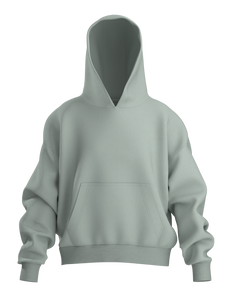
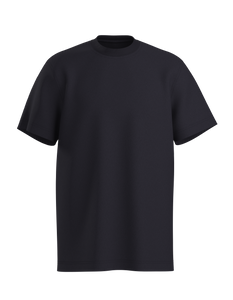
Cotton can fit all styles, from everyday basic tees to button-downs and sweatshirts; it is the perfect fabric for its strength and durability.
It can work well for screen printing and embroidery, making it a go-to choice for branded apparel.
Cotton’s breathability and versatility make it a strong choice for many brands.
Linen: The Lightweight And Luxurious Option

Linen brings a lighter, more elevated feel that works especially well for warm-weather pieces.
The Fabric Basics
Made from the fibres of the flax plant, linen is lightweight and has a crisp, textured feel. Linen becomes an ideal choice for warmer climates as it is highly breathable and moisture-wicking.
How Linen Performs In Real-World Conditions
-
Breathability: Linen becomes the best fabric for hot weather because of its superior breathability.
-
Durability: Linen can develop a more fragile texture with repeated wear, especially if not properly cared for.
-
Wrinkling: Although Linen’s natural creases offer a natural charm, it can wrinkle easily, and it can require special care to maintain its appearance.
The Best Uses For Linen In Your Brand
Linen can be the ideal fit for lightweight shirts, dresses, and beachwear, as well as premium casual clothing like button-up shirts or relaxed-fit trousers.
While linen is the lightest of all, it needs extra care and proper maintenance to prevent it from losing its shape.
Hemp: The Durable, Eco-Conscious Fabric
Hemp is built for brands that prefer adaptability and sustainability for their blanks.
The Fabric Basics
Made from the fibres of the hemp plant, hemp is known for its strength, durability, and lower-impact cultivation profile.
How Hemp Performs In Real-World Conditions
-
Breathability: While hemp is breathable, it can feel slightly heavier than the others.
-
Durability: Hemp offers extreme strength and durability, making it ideal for garments that are worn frequently and exposed to rough conditions.
-
Moisture-Wicking: Hemp effectively manages moisture, making it ideal for both warm and moderate climates.
The Best Uses For Hemp In Your Brand
Hemp can be the best natural fabric for brands seeking an eco-friendly alternative to cotton and linen, making it ideal for jackets, pants, and cargo clothing that require durability. However, hemp blanks usually sit at a higher price point, which can make them less practical for brands building around accessible wholesale merchandise.
Hemp can be the right alternative for brands seeking sustainability and durability, helping their products last longer and reduce returns.
Comparing Cotton, Linen, And Hemp: Which Material Best Fits Your Brand?

Price and sourcing also matter. Linen and hemp typically sit at a higher price point, while cotton remains the most practical fabric for brands that need scalable blanks, stronger margins, and easier resale positioning.
Comfort And Wearability
While cotton can make your casual blanks feel soft, breathable, and versatile, linen is an excellent choice for warm weather. Still, it requires intense care, and hemp offers a durable, eco-conscious alternative but has a heavier texture than cotton and linen.
Durability And Longevity
Cotton can offer moderate durability with some potential for fading and shrinkage after repeated washing, while Linen can be strong yet delicate after repeated use, leading to ruined texture.
Hemp turns out to be the most durable and long-lasting, making it ideal for clothes that can withstand more wear and tear.
Sustainability
While cotton is widely used, it is not always sustainable due to the high water and pesticide use during cultivation. Linen is a more sustainable option than cotton, but hemp stands out as the most sustainable option, requiring little water, no pesticides, and a low environmental impact.
While all fabrics have their benefits, it is important to make a well-informed decision that aligns with the brand’s needs and values.
Fabric Performance In Different Climates
These natural clothing materials can each have a different adaptability to a particular climate.
How Cotton Performs In Heat And Cold
While cotton can feel breathable and comfortable, it can become too warm in extreme conditions. Its fabric quality can offer moderate insulation in colder climates, but it cannot trap heat as other fabrics can.
How Linen Performs In Heat And Cold
Linen can offer a cooling effect, making it ideal for high temperatures, but it is less suited to colder weather because it offers limited insulation.
How Hemp Performs In Heat And Cold
Hemp is breathable and durable, but depending on the weave and weight, it can feel more substantial than cotton or linen.
The right fabric can make your blanks season-ready based on your brand’s collection.


Choosing The Right Fabric For Your Clothing Line and Price Point
Each of these fabrics can add a unique touch to your brand’s clothing line.
Consider Your Brand’s Values
While hemp and linen may suit niche or premium collections, cotton remains the strongest all-around option for brands that want comfort, versatility, affordability, and a more practical path to wholesale growth.
Understanding Your Customer
While cotton is ideal for brands targeting a casual, comfortable, versatile audience, linen suits brands seeking premium or seasonal collections, especially in the summer, and hemp appeals to those who seek an eco-friendly fit with durability and long-lasting clothing.
A brand’s apparel should contribute to its needs and values and create a long-term identity for it.
Build Your Brand on Better Blanks
The fabric you choose shapes more than comfort alone. It affects how your products wear, how long they last, and how your brand is perceived in the market. Cotton, linen, and hemp each bring something different to the table, but the right choice always comes down to the standard you want your brand to represent.
If you are building merchandise or planning to repurpose blanks for resale, cotton remains the most practical choice for balancing quality, price, and scalability. Linen and hemp can serve niche or higher-priced collections, but they are not widely available as accessible wholesale blanks. Basico Branco’s wholesale options give brands a stronger foundation with premium cotton blanks, wholesale access, private labelling, and customization support built for long-term growth.