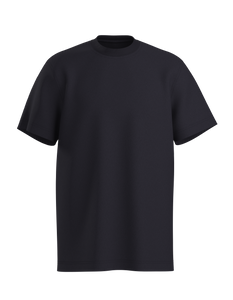
The Role of Fit and Silhouette in Building a Clothing Brand People Actually Recognize
Before someone reads your brand name or sees your logo, they see the shape of your garment. Fit and silhouette are the first visual signals your brand sends. They communicate positioning, customer profile, and price point before a single word of copy does. Treating garment shape as a product spec rather than a brand decision is one of the most common mistakes in clothing brand development. The brands people recognize made that decision deliberately.
In this blog, we’ll explore how fit, silhouette, fabric weight, and production consistency help clothing brands create a recognizable apparel line that customers remember and reorder.
Silhouette Is Your Brand's Visual Signature
A consistent silhouette across your range creates instant recognition. Customers begin to associate the shape itself with your brand, independent of colorway or graphic. That is how fit and silhouette define a clothing brand identity at the visual level, before any marketing layer is applied.
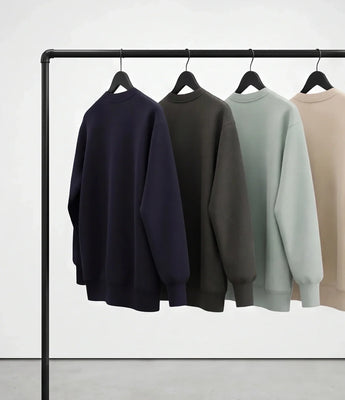
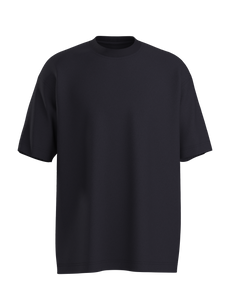
Silhouette also works as a non-verbal positioning tool. An oversized silhouette in a modern streetwear brand building signals ease, volume, and cultural relevance. A structured or tailored fit signals authority and a more refined customer. These are not interchangeable choices, and treating them as such costs you clarity.
When the silhouette is inconsistent across a product range, customers cannot form a clear mental image of what your brand stands for. That inconsistency reads as a lack of editorial control, regardless of how strong individual pieces are.
Fit Communicates Who Your Brand Is Built For

Garment fit signals the intended customer without a word of copy. A relaxed, dropped-shoulder cut speaks to a different lifestyle than a contoured athletic fit. That signal is read immediately, and it either confirms a person belongs in your brand or tells them they do not.
Fit is a direct expression of your target demographic's values. Choosing garment fit as brand differentiation in a crowded wholesale market means understanding who you are building for, then selecting blanks that reflect that person's body and habits. This is a strategic decision, not a sizing exercise.
The consequences of fit decisions made at the blank selection stage are long-term. If the blank does not deliver the correct silhouette, no amount of printing or decoration can correct it. The foundation has to be right before anything else is added.
How Apparel Silhouette Communicates Brand Positioning
Silhouette choice directly affects perceived price point. A boxy, heavyweight garment in a clean silhouette reads as premium. A thin, shapeless cut reads as low-cost, regardless of the brand name on it. How apparel silhouette communicates brand positioning is not abstract. It shows up immediately in how customers value and price-compare your product.
The fit you choose signals your market category. Streetwear, athletic, corporate, and premium lifestyle brands each occupy distinct silhouette territory. Moving between those categories without a clear reason creates positioning confusion that is hard to walk back.
Professional sports collaborations illustrate this well. Work with organizations like the Canucks and Calgary Flames relies on structured, consistent cuts across all garments to reinforce institutional authority. The silhouette carries weight. Silhouette consistency across SKUs is a marker of brand maturity and one of the first things a sophisticated buyer notices.
Fabric Weight and Construction Reinforce the Fit You Choose
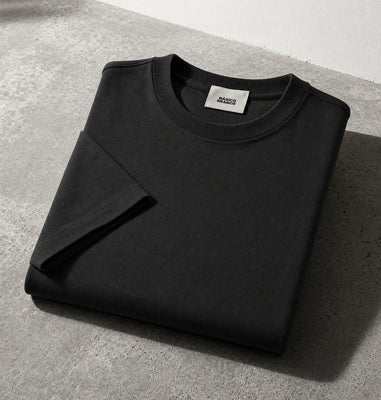
Fabric weight determines whether a silhouette holds or collapses on the body. A 240 GSM organic cotton blank holds its shape through wear and washing in a way a lightweight jersey cannot. Drape, structure, and how a garment moves all follow from the fabric decision. Fit and silhouette define a clothing brand's identity, but only when the material can sustain that shape over time.
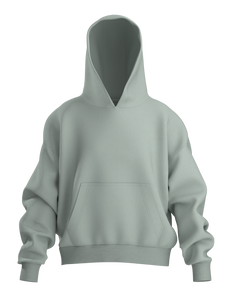
Matching GSM and construction to your fit profile is a technical requirement. A relaxed, oversized cut in 420 GSM fleece delivers volume and definition. The same cut in a lighter fabric loses structure and reads as unintentional. The spec has to support the shape.
The cost of getting this wrong is visible to the customer. A garment that looks correct on a flat lay but loses its silhouette on the body damages brand perception at the exact moment it matters most.


Scaling Without Losing Your Silhouette
Inconsistent blank sourcing introduces silhouette drift across production runs. When you source from multiple suppliers or switch blanks between orders, subtle differences in cut, construction, and fabric behaviour accumulate. The result is a range that looks slightly off across seasons, even when individual pieces are strong on their own.
A vertically integrated supplier eliminates that variable. With blanks, private labelling, printing, and embroidery all produced under one roof in Portugal, end-to-end control means garment spec integrity holds from a 50-unit starting order through to bulk production. The fit approved on your sample is the fit that ships at scale.
Lock In a Fit Customers Recognize

A recognizable clothing brand starts with a fit people remember. The right silhouette gives your apparel structure, consistency, and a clear visual identity before your logo ever enters the conversation. Basico Branco helps brands build that foundation with premium blanks, dependable fabric weights, private labelling, printing, embroidery, and Portugal-based production that keeps your approved fit consistent from sample to scale.
Build a sharper, more recognizable product line with Basico Branco’s wholesale apparel solutions.