How to Plan a Seasonal Capsule Collection Drop
One-off product releases drain your margins. Launch without a plan and you overproduce, tie up cash in dead stock, and guess at demand. A structured seasonal capsule collection strategy fixes that. It protects your margins by matching production to how people buy and keeping your range tight.
This guide walks you through eight steps to plan a capsule drop that sells. You will set a calendar, choose the right pieces and fabrics, pick decoration methods, plan volumes, and build a launch that moves product.
What a Seasonal Capsule Collection Drop Actually Means for Your Brand
A capsule drop is a tight, cohesive range built around one season. You release a small set of styles designed to work together, then move to the next drop when the season shifts.
This differs from a full collection. Full collections carry dozens of SKUs and try to cover every use case. A capsule stays lean and deliberate. Limited-edition collection planning creates urgency because customers know the range will not be restocked, thereby improving sell-through.
For small clothing brands running lean inventory, the model fits. You commit less cash per drop, learn faster, and skip the overproduction trap that sinks new labels.
Step 1: Set Your Drop Calendar and Season Timeline
Start with your launch date and plan backward. Production start, decoration, and shipping all have to fit before the day you go live.
Account for lead times on blanks, printing, and embroidery. Decorated orders take longer than plain blanks, so build in a buffer. Treat the timeline as a coordinated product launch plan that connects production, promotion, release, and post-launch review.
Line up each drop with how customers buy per season. Fleece sells before winter. Lighter tees sell into spring. Once the schedule is clear, document your garment, decoration, labelling, and packaging requirements in a production-ready supplier brief.
Turn this into a repeatable collection drop calendar. Map one seasonal product launch, and you can reuse the timeline for every drop after it.
Step 2: Define the Core Pieces and Keep the Range Tight

Choose four to eight anchor styles per capsule. That range gives customers options without forcing you to forecast dozens of SKUs.
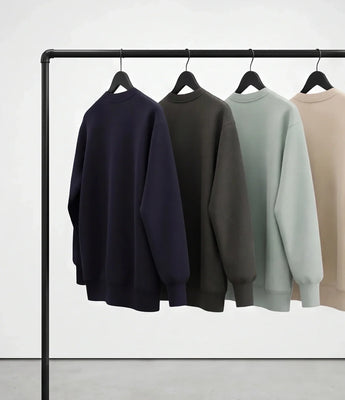
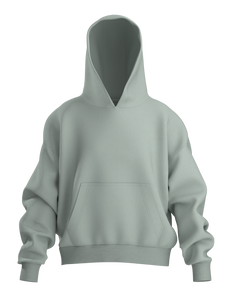
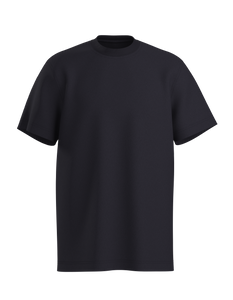
Pick season-appropriate silhouettes with clear layering logic. A fall capsule might pair a mid-weight tee under a fleece crew. Each piece should mix across the collection so that customers can build several looks from a small set.
Keep colours, silhouettes, and decoration placements consistent to build a cohesive branded apparel line rather than a group of unrelated products.
Focused SKU counts limit overproduction. Fewer styles mean deeper forecasting on each one, which protects your cash and cuts leftover stock.
Step 3: Choose Fabric Weights That Match the Season
Fabric weight signals retail-grade quality before a customer reads a single tag. Match the weight to the season, and the garment does the selling.
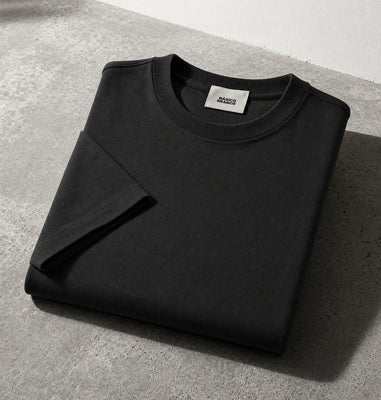
Use 240 GSM organic cotton for structured tees that hold their shape. Reach for 210 GSM jersey on lighter warm-weather styles that need drape and breathability. Move to 420 GSM fleece for fall and winter drops where warmth matters. These weights read as premium because they are built to last, and your capsule apparel collection launch guide should treat them as the foundation.
Matching Weight to Wear
For spring and summer, lean on 210 GSM jersey and lighter cotton. Breathability and drape drive comfort in warm months.
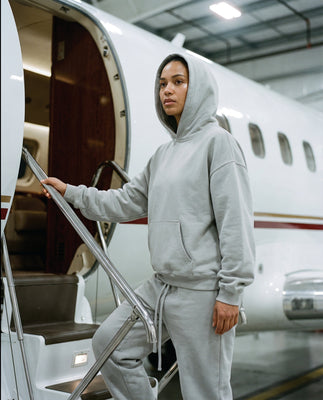
For fall and winter, 420 GSM fleece and structured 240 GSM cotton give the warmth and body customers expect. Every weight holds up through repeated wear and wash cycles, so your brand maintains its reputation for quality beyond the first season.


Step 4: Select Your Decoration and Printing Methods
Your decoration method shapes cost, detail, and turnaround. Match it to your design and run size.
Use DTG for detailed, small-batch designs with full-colour artwork. Choose DTF and other bulk-friendly methods for larger runs where speed and cost per unit matter. Add embroidery for premium branded pieces that command higher prices.
Before approving artwork, choose the right blank for each decoration method so the fabric can support the required ink, heat, or stitch density.
Weigh the cost of extra print positions. A front, back, and sleeve print raises your per-unit cost, so price those positions as value that lifts the perceived quality of the finished garment.
Step 5: Plan Production Volumes and MOQs
Volume planning decides whether you clear stock or sit on it. Set forecasts per style based on demand, not optimism. That discipline is at the core of planning a clothing brand drop.
Use retail demand planning to consider previous sales, seasonal buying patterns, production lead times, and upcoming marketing activity before setting unit counts.
There are no minimum order quantities on blanks, so you can test styles before you commit. Printed and decorated merchandise starts at a 50-unit MOQ. Forecast units per style with care to limit dead stock. Portugal-based single-source production keeps quality and pricing consistent across every run, so what you order matches what arrives.
Step 6: Add Private Labelling and Branded Packaging
Finishing details separate a blank from a retail product. Private labelling gives your capsule a retail-ready presentation with your name on every piece.
Branded packaging works as a long-term value investment. It raises perceived value and supports higher pricing on repeat drops. These details justify a premium price point. With organic cotton shirts priced in the $25-$35 CAD range, labelling and packaging position your product as retail-quality at wholesale cost.
Step 7: Build Your Launch and Pre-Sell Plan
A drop needs demand before it goes live. Tease the capsule ahead of launch so customers arrive ready to buy.
Use limited quantities to create real urgency. Time your marketing around the drop calendar you set in Step 1, so every message points to the launch date. Professional collaborations prove the model works. Partnerships like the Canucks and Calgary Flames show how decorated capsules move at scale when the seasonal product launch is planned.
Step 8: Review Sell-Through and Plan the Next Drop

Every drop feeds the next one with data. Track which styles and sizes cleared and which lagged.
Measure the sell-through rate for each style, size, and colour rather than judging the capsule by total revenue alone. This shows which products moved efficiently and which ones tied up inventory.
Feed those numbers into your next seasonal capsule. Reorder proven winners deeper and cut styles that stalled. As demand grows, scale volumes for teams and organizations without changing your production source. This turns one-off wins into a repeatable system that gets sharper every season.
FAQs
How many pieces should a seasonal capsule collection include?
Most small brands can start with four to eight coordinated styles. This keeps the range focused without limiting customer choice.
How far ahead should you plan a seasonal apparel drop?
Plan backward from the launch date and allow time for sampling, decoration, approvals, production, shipping, and a reasonable delay buffer.
How do you decide how many units to produce?
Use past sales, waitlist sign-ups, seasonal demand, and pre-launch interest to forecast each style rather than relying on guesswork.
Build a Capsule Drop That Sells Through
A strong seasonal capsule is not built by adding more products. It comes from choosing the right blanks, controlling production, and creating a launch system you can repeat. Basico Branco brings premium Portuguese apparel, decoration, private labelling, and packaging into one streamlined process.
Protect your cash, tighten your collection, and build your next release through Basico Branco’s wholesale apparel program.