Why Colour Consistency Across Bulk Orders Makes or Breaks a Clothing Brand
Colour inconsistency rarely announces itself. It shows up in a reorder that doesn't quite match the original run, or in a team uniform where two garments sit side by side, and something looks off. By the time you notice it, the damage to your brand presentation is already done.
Colour is not just a design preference, it is a brand standard. Every unit you put into the market represents your brand identity, and off-colour garments erode that identity, even when the difference is subtle.
For professional teams, corporate merchandise programs, and retail brands placing bulk orders, colour consistency is a production requirement. Not a bonus feature.
In this blog, we’ll explain why colour consistency matters in bulk apparel orders, how dye lot variation happens, and what brands can do to protect colour accuracy across samples, production runs, and reorders.
Colour Is a Brand Standard, Not a Style Preference
Your brand colour runs across packaging, digital channels, print materials, and apparel. When the apparel doesn't match the rest, buyers notice. They may not be able to name the problem, but the visual disconnect registers as a quality issue.
The commercial cost is concrete. A mismatched uniform order means reprinting, reordering, or accepting a presentation standard below what your brand requires. For merchandise programs, inconsistent colour across SKUs signals poor production control to wholesale buyers and retail customers.
Managing colour accuracy in branded apparel starts by treating colour as a specification. That shift changes how you vet suppliers, structure orders, and document approvals before production begins.
What Causes Dye Lot Variation in Wholesale Blank Apparel

Dye lot variation occurs when garments dyed in separate batches produce slightly different colour results, even when using the same dye formula. It is a standard industry variable, not a sign of negligence. The risk lies in how well a supplier controls for it.
Fabric weight, cotton origin, and batch size all affect how dye absorbs into a garment. A 240 GSM organic cotton blank and a 210 GSM jersey blank take dye differently, even in the same colorway. Cotton sourced from different regions can also behave differently during dyeing, producing subtle but visible shifts.
The same colorway can shift between production runs when any of these variables change. Industry-standard tolerances exist for a reason, but not every supplier communicates what those tolerances are or consistently holds production to them.
Some variation falls within accepted industry standards. Other variation reflects supplier-controlled failures in process, documentation, or quality oversight. Knowing the difference before you order protects your brand.


Why Vertically Integrated Production Reduces Colour Risk
When a single supplier controls the full production chain, the number of unmanaged variables drops significantly. There are no third-party blank sources that introduce inconsistencies before the garment reaches the decoration stage.
Basico Branco operates a vertically integrated model with all production and fulfillment based in Portugal. That end-to-end oversight covers blanks, private labelling, printing, and embroidery under one roof. Colour decisions made at the blank stage carry through to the finished product without handoffs that introduce error.
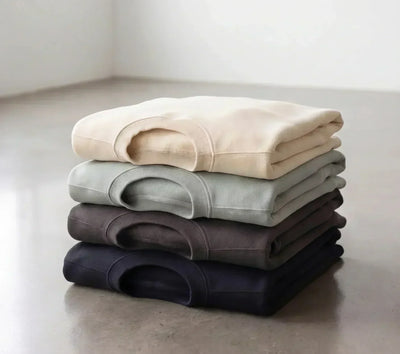
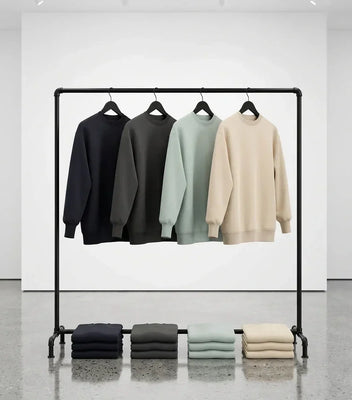
Across 240 GSM organic cotton, 210 GSM jersey, and 420 GSM fleece production, consistent fabric sourcing and controlled dyeing processes make colour behaviour predictable run-to-run. For team orders like the Canucks and Calgary Flames partnerships, that reliability is non-negotiable. Every garment in a team order needs to match, and single-source production is what makes that achievable.
What to Ask Your Supplier About Colour Consistency Before You Order
Before placing a bulk order, ask whether your supplier dyes in-house or sources pre-dyed blanks from multiple third parties. Third-party sourcing introduces dye-lot variables that the supplier cannot fully control, increasing your risk of reorder.
Ask directly whether colour matching is guaranteed across reorders and what their process is when a run falls outside spec. Suppliers with strong production controls will give you a clear answer. Vague responses signal a gap in their quality system.
Request a sample and approval process before full production begins. A pre-production sample matched against your approved colour reference is the most reliable way to confirm alignment before committing to volume.
Get their tolerance standards in writing and confirm what recourse exists if the delivered order falls outside those tolerances. This sets a clear, documented expectation before production starts.
How to Protect Your Brand When Ordering in Bulk
Order your full quantity in a single production run wherever possible. Splitting an order across multiple runs increases dye lot exposure, even with the same supplier.
Keep a reference sample from every approved production run. When you reorder, that sample becomes your matching standard. It gives your supplier a physical benchmark rather than a digital file that renders differently across screens and printers.
Specify Pantone or exact colour references in your order documentation. Describing a colour as "navy" leaves too much room for interpretation. A Pantone code removes ambiguity at every stage of production.
Protect Your Brand Colour Before Production Starts

Colour consistency is not a small production detail. It is what keeps your apparel line, team uniforms, and branded merchandise looking professional from the first order through every reorder.
Basico Branco helps brands reduce colour risk with vertically integrated production in Portugal, controlled fabric sourcing, and blanks, private labelling, printing, embroidery, and fulfilment handled under one roof. That means fewer handoffs, stronger quality control, and a cleaner standard across every garment you put into the market.
Keep every bulk order aligned with the brand standard your customers expect through Basico Branco’s wholesale apparel solutions.