How Garment Care and Shrinkage Affect Your Brand's Product Quality
Shrinkage decides whether your merch looks retail-ready after the first wash or falls apart in your customer's hands. A shirt that drops a full size pulls prints out of line, wrecks the fit, and turns what should be a reorder into a complaint email. Blank quality sets that outcome long before anyone touches decoration.
Order at scale and every blank needs to behave the same way through production, washing, and wear. Pre-shrunk apparel gives you that predictability, which is why this one decision matters for any brand running consistent merch across repeat orders.
In this blog, we break down how shrinkage, fabric weight, decoration, and care instructions shape the long-term quality of branded apparel.
Why Shrinkage Is a Quality Problem, Not Just a Sizing One
Shrinkage damages more than fit. It creates dimensional stability problems that move your print placement, shift your sizing, and leave your batches inconsistent from one run to the next. A design centred on a fresh shirt rides up or distorts the moment the fabric contracts.
Most untreated blank apparel shrinks after washing, often by 5 to 10 percent, depending on the fabric and construction. Across a bulk run, that variance means some garments fit as labelled while others read a full size smaller.
Inconsistent sizing costs you money in returns, remakes, and lost reorders. It also shapes how buyers judge your brand. A shirt that shrinks and cracks reads as cheap, no matter how good your design was. Pre-shrunk blank apparel for printing reduces that risk at the source.
What Pre-Shrunk Blank Apparel Actually Means
Pre-shrunk cotton has already undergone controlled washing or mechanical treatment to remove most shrinkage before the garment reaches you. The fabric contracts during production rather than during your customer's first wash.
Untreated blanks skip that step, so the shrinkage lands later, when you have the least control over it. Pre-shrunk blanks hold their measurements far more reliably through wash cycles.
No treatment kills shrinkage completely. Expect a small amount of residual movement even in quality pre-shrunk garments. That is normal and manageable as long as the number stays low.
Check the specs before you commit. Look for stated shrinkage tolerances, fabric weight, and treatment details in the product description. Vague listings that skip those numbers tend to hide inconsistent results.
How Fabric Weight Affects Shrinkage and Longevity
Heavier fabrics hold their shape better over repeated washing. Higher GSM means denser construction and greater dimensional stability, so the garment resists the pulling and warping that lighter fabrics show early.
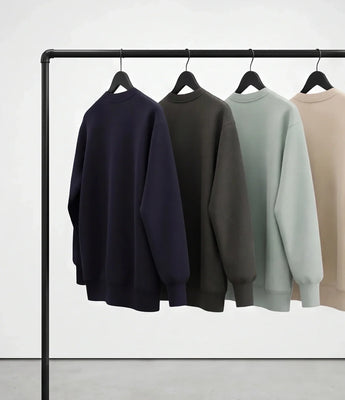
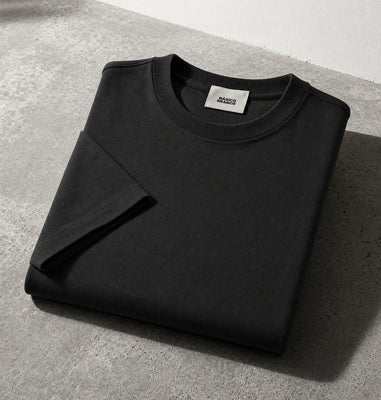
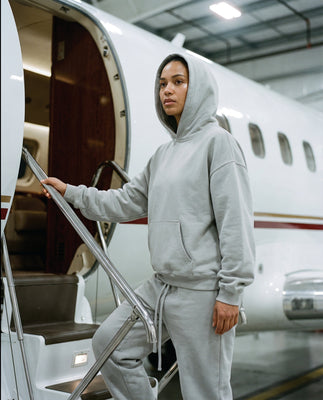
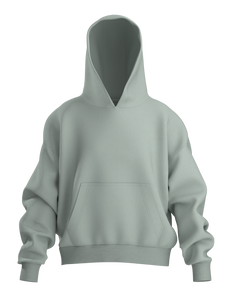
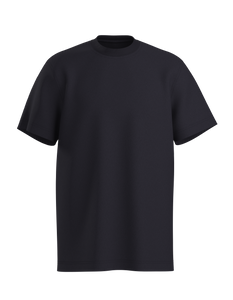
Basico Branco blanks are built on premium weights for this reason. The 240 GSM organic cotton gives tees real structure, the 210 GSM jersey balances comfort with stability, and the 420 GSM fleece holds firm through heavy wear and repeated cleaning.
Premium-weight fabrics keep their form after decoration, which protects your prints and embroidery from movement. Fabric weight tells you a lot about durability, but construction, finishing, and shape retention also determine what makes a premium blank T-shirt worth the investment. A denser blank costs more upfront and pays that back across a longer product life.


Why Shrinkage Ruins Prints and Decoration
Post-print shrinkage is where designs fail. When a decorated garment contracts, the fabric moves under the ink, cracking and warping the print. A clean graphic goes distorted after one wash.
Unstable fabrics also cause registration problems in the press. If the blank shifts between print stations, colours misalign and detail blurs. Consistent fabric behaviour keeps every unit sharp.
Proper garment care before screen printing improves placement accuracy. Fabric that moves after decoration throws off the alignment you set at the press. Start with stable blanks, and that variable disappears.
Embroidery carries its own risk. Fabric that shifts after stitching puckers around the design and pulls threads out of shape. Stable, premium-weight blanks keep stitches flat and clean.
How to Prevent Shrinkage on Branded Clothing

The first control step is sourcing pre-shrunk blanks. When shrinkage gets handled before the garment reaches you, most of the risk is gone before decoration starts.
Pre-washing T-shirts before decoration adds another layer of control, especially on untreated stock. A controlled wash relaxes the fabric and settles final measurements before you print or embroider.
Before approving a full run, evaluate apparel samples to see how the blank behaves through washing and drying. Brands that require documented results can also use a standardized home-laundering test to measure changes in garment length and width under controlled conditions.
Match your decoration method to how the fabric behaves. DTG, DTF, screen printing, and embroidery each respond differently to fabric movement, so pairing the right method with a stable blank protects the final result.
A Simple Blank Apparel Washing Guide for Brands
Provide your customers with clear care instructions to protect the garment after it leaves your care. Good care keeps fit and print intact through repeated wear.
Wash in cold or warm water and skip high-heat drying. Heat drives most shrinkage and shortens print life, so lower temperatures and gentle drying settings protect both fit and decoration.
Put a care label on every garment. A clear label steers your customer toward the settings that hold shape and print, reducing complaints and supporting repeat purchases. Brands selling clothing in the United States should also review the FTC’s care labelling guidance when creating and supporting those instructions.
Choosing Blanks Built to Hold Their Shape

Consistency comes from control over production. Basico Branco runs a vertically integrated model that covers blanks, private labelling, printing, and embroidery, maintaining uniform fabric standards across every run.
All blanks are made in Portugal under controlled standards, so the fabric you order today behaves the same on your next order. Stable materials and documented specifications also help brands scale from an initial order to ongoing production without losing control over fit, decoration, or quality.
FAQs
Does pre-shrunk apparel still shrink?
Yes. Pre-shrunk garments can still move slightly after washing, but the change should remain limited and predictable.
What washing temperature helps prevent shrinkage?
Cold or warm water is safest. Avoid high-heat drying, since heat causes most shrinkage and can damage prints.
Can shrinkage affect screen printing and embroidery?
Yes. Fabric movement can crack prints, distort placement, and cause embroidery to pucker around the stitched area.
Build Merch That Holds Its Shape
Your customer judges the garment after the wash, not when it leaves the print shop. Start with stable, pre-shrunk blanks that protect your fit, decoration, and product consistency across every run.
Create branded apparel your customers can wear, wash, and reorder with confidence through Basico Branco’s wholesale apparel program.