Garment Dye vs Piece Dye: What the Difference Means for Your Brand Aesthetic and Product Quality
The dyeing method used on a blank garment shapes how your finished product looks, feels, and holds up over time. If you're sourcing wholesale apparel for a brand, team, or merchandise program, understanding the difference between garment dye and piece dye is a practical business decision, not a technical detail to skip. It affects your aesthetic positioning, your print results, and your ability to deliver consistent products at scale.
In this blog, we’ll explain how garment dye and piece dye affect colour, texture, print results, and product consistency so you can choose the right finish for your brand.
What Garment Dyeing Actually Is
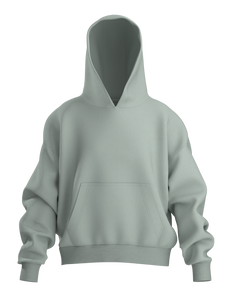
Garment dyeing starts after the sewing is done. The fabric is cut, sewn into a finished piece, then submerged in dye as a complete garment. Because it moves through the dye bath whole, colour absorbs unevenly across seams, folds, and stress points.
That uneven absorption produces the characteristic lived-in finish garment dye is known for. Colour variation between individual units is expected, part of the aesthetic, not a production defect. Tees, hoodies, and fleece are the most common garment types produced this way.
What Piece Dyeing Actually Is
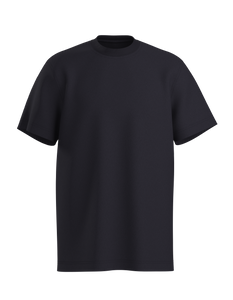
Piece dyeing works the other way. Fabric is dyed at the yardage stage, before any cutting or sewing takes place. The result is uniform, consistent colour across the entire roll, which carries through to every unit cut from it.
This is the industry default for most wholesale blanks because it delivers colour predictability at scale. Order 500 units of a piece-dyed blank and every garment comes out the same shade. That reliability is what makes piece dyeing the foundation of most large-scale apparel programs.
How Each Method Affects the Look and Feel of the Final Garment
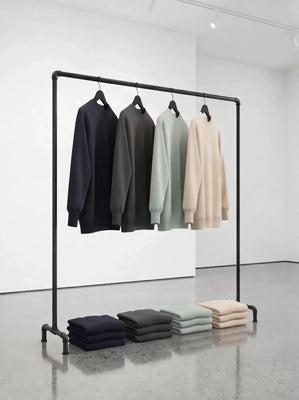
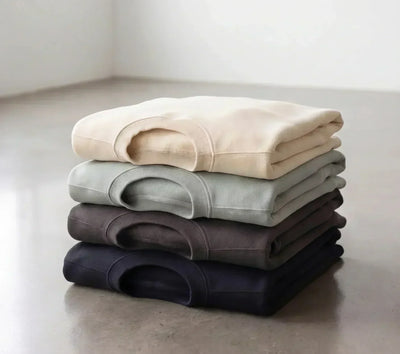
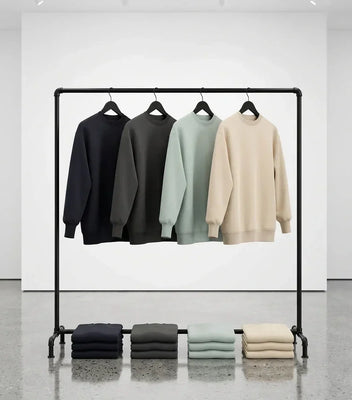
Garment-dyed blanks have a softer hand feel and slight texture variation across the surface. The finish reads vintage-adjacent, with a depth of colour that looks lived-in from the first wear. Piece-dyed blanks deliver a cleaner finish, sharper colour uniformity, and a more structured overall appearance.
Fabric weight interacts with dye method in meaningful ways. A 240 GSM organic cotton blank carries garment dye differently than a lighter jersey construction. Heavier fabrics retain more dye variation at seams and edges, which amplifies the artisanal quality of the finish. Lighter weights show less contrast between dyed and undyed zones. Each finish communicates something distinct: garment dye signals premium craftsmanship and a relaxed aesthetic; piece dye signals precision and reliability.
Which Dye Method Fits Your Brand Aesthetic

Once you understand how each dye method changes the garment’s look and feel, the next question is fit. The right choice depends on whether your brand needs character, consistency, or a balance of both.
Garment Dye: When the Worn-In Look Is the Point
Lifestyle brands, streetwear labels, and creative-led merchandise programs are the natural fit for garment-dyed blanks. When colour variation between units adds character rather than inconsistency, garment dye becomes a brand asset. It supports a premium, artisanal positioning that piece dye cannot replicate.
Piece Dye: When Consistency Is Non-Negotiable
Corporate merchandise programs, team uniforms, and large-scale brand rollouts require piece-dyed blanks. When colour matching across hundreds or thousands of units matters, variation is a problem, not a feature. Professional sports programs like the Canucks and Calgary Flames partnerships demand that level of uniformity. Any organizational use case where every garment needs to match is where piece dye earns its place.
Once the aesthetic direction is clear, the next step is to understand how that dye choice affects decoration. Print and embroidery results can vary depending on the base colour, texture, and level of colour variation in the garment.


How Dye Method Affects Printing and Decoration Results
Garment-dyed surfaces interact differently with decoration methods than piece-dyed blanks do. DTG and DTF printing on garment-dyed blanks requires accounting for colour-on-colour dynamics. The base fabric tone is rarely a true white or neutral, so ink colours read differently than they would on a standard piece-dyed base. Screen printing faces the same consideration.
Piece-dyed blanks offer a more predictable print baseline because colour is uniform across the entire surface. Your artwork renders consistently from unit to unit. Embroidery performs well with both dye methods, though garment-dyed fabrics may show slight differences in thread tension at heavily textured seam zones.
Practical Considerations When Ordering Wholesale
Garment dyeing typically carries a per-unit premium over piece dyeing. The additional processing step and the higher rate of colour variation between units both contribute to the cost difference. Factor this into your per-unit pricing when building a product line around garment-dyed blanks.
Within a vertically integrated production model, the availability of garment dye depends on the specific blanks in the catalogue. Portugal-based production covers blanks, private labelling, printing, and embroidery under one roof, keeping timelines tighter than multi-vendor sourcing. There is no MOQ on blanks, and decorated merchandise starts at a 50-unit minimum.
Which Method Should You Choose
The decision comes down to two variables: your aesthetic goals and your consistency requirements. If your brand needs a premium, textured finish with a relaxed visual identity, garment dye is the right call. If your program requires colour uniformity across a large run, piece dyeing is the right foundation.
Order size and end use further narrow the choice. Small creative runs with room for unit-to-unit variation suit garment dye well. Large organizational or team programs default to piece dye for practical reasons. Mixing both methods across a product line makes strategic sense when you're serving multiple audiences or building a tiered product offering.
FAQs
What is the difference between garment dyeing and piece dyeing?
Garment dyeing submerges a finished, sewn piece in dye, producing uneven colour and a lived-in finish. Piece dyeing colours the fabric at the yardage stage before cutting, delivering uniform colour across every unit.
Does garment dye or piece dye cost more per unit?
Garment dyeing typically carries a per-unit premium due to the extra processing step and higher colour variation between units. Factor this into your pricing when building a line around garment-dyed blanks.
Which dye method prints more predictably?
Piece-dyed blanks offer a more reliable print baseline because colour is uniform across the surface, so artwork renders consistently unit to unit. Garment-dyed surfaces require accounting for colour-on-colour dynamics since the base tone is rarely true white.
Choose the Dye Finish That Fits Your Brand

The right dye method shapes how your apparel looks, feels, prints, and performs at scale. Basico Branco helps brands choose premium blanks, decoration methods, private labelling, and production options that align with both the product's creative direction and quality standards. Build your next apparel run with the right finish from the start through Basico Branco’s wholesale apparel production.